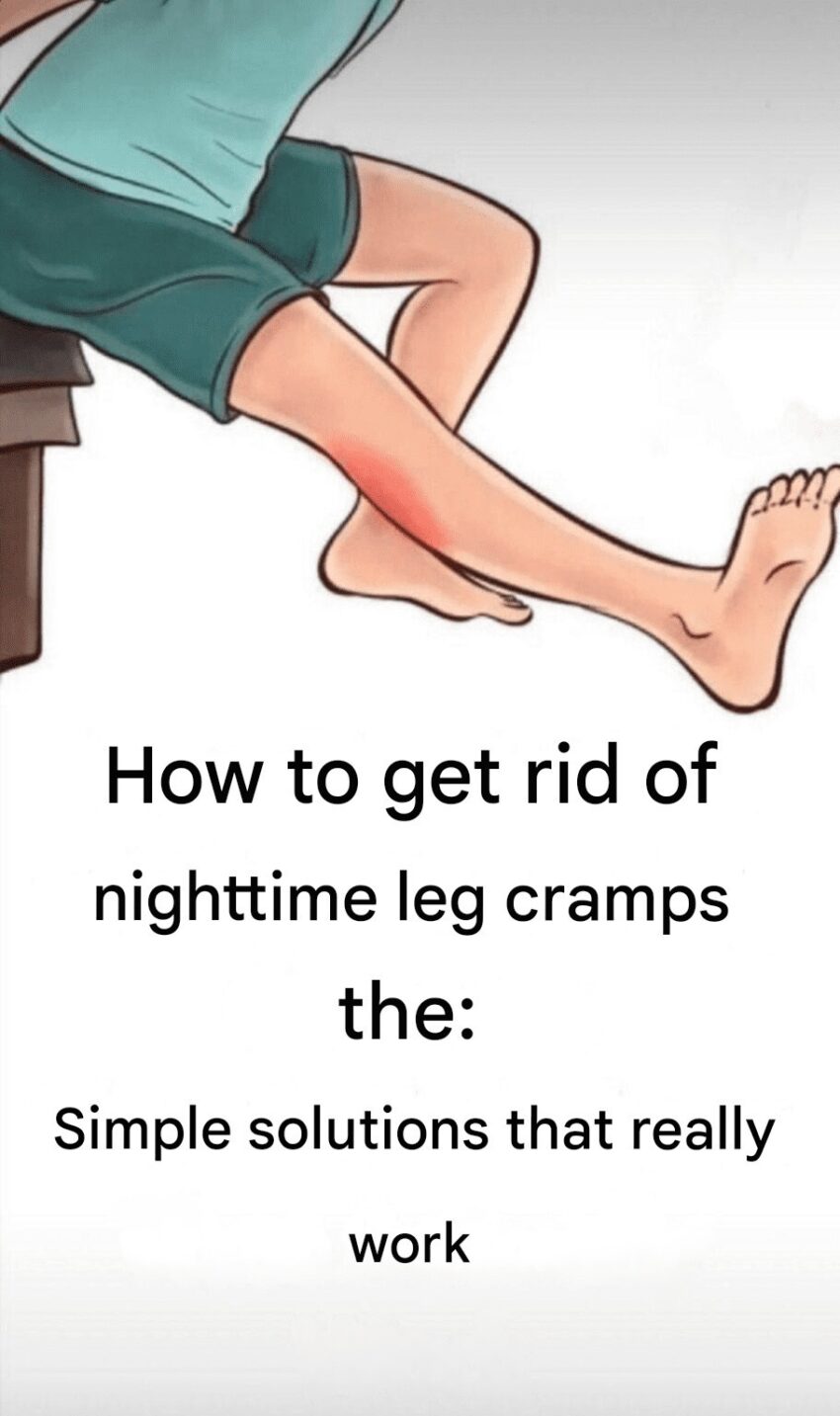
Nighttime leg cramps are usually sudden calf or foot muscle contractions during sleep. They’re common—and often fixable with a few consistent habits.
What actually works
1. Stretch before bed (most effective)
Do this daily:
- Stand facing a wall
- One leg back, heel flat on floor
- Lean forward and hold 20–30 seconds
- Repeat 2–3 times per leg
This reduces overnight muscle tightening.
2. Stay hydrated
Even mild dehydration can trigger cramps.
- Drink water regularly through the day
- Don’t rely on catching up at night
3. Magnesium-rich diet (or supplement if needed)
Low magnesium may contribute in some people.
- Foods: nuts, seeds, spinach, beans, whole grains
- Supplements can help some people, but not everyone needs them
4. Keep your feet in a neutral position while sleeping
- Avoid pointing toes downward (this shortens the calf muscle)
- Try sleeping with feet slightly raised or relaxed
5. Move your legs during the day
- Long sitting or standing without movement can worsen cramps
- Short walks or stretching breaks help circulation
6. Warmth before sleep
- Warm shower or heating pad on calves can relax muscles
If a cramp hits at night
- Pull toes toward your shin immediately
- Stand up and walk if possible
- Massage the tight muscle
- Use heat afterward if it stays sore
When to get checked
See a doctor if:
- cramps are very frequent or worsening
- there’s swelling, numbness, or weakness
- it started after new medication
Bottom line
Most nighttime leg cramps improve with daily calf stretching + hydration + better sleep positioning. These three alone make the biggest difference for most people.
If you want, I can give you a 1-minute “no-cramp bedtime routine” that’s even simpler.
