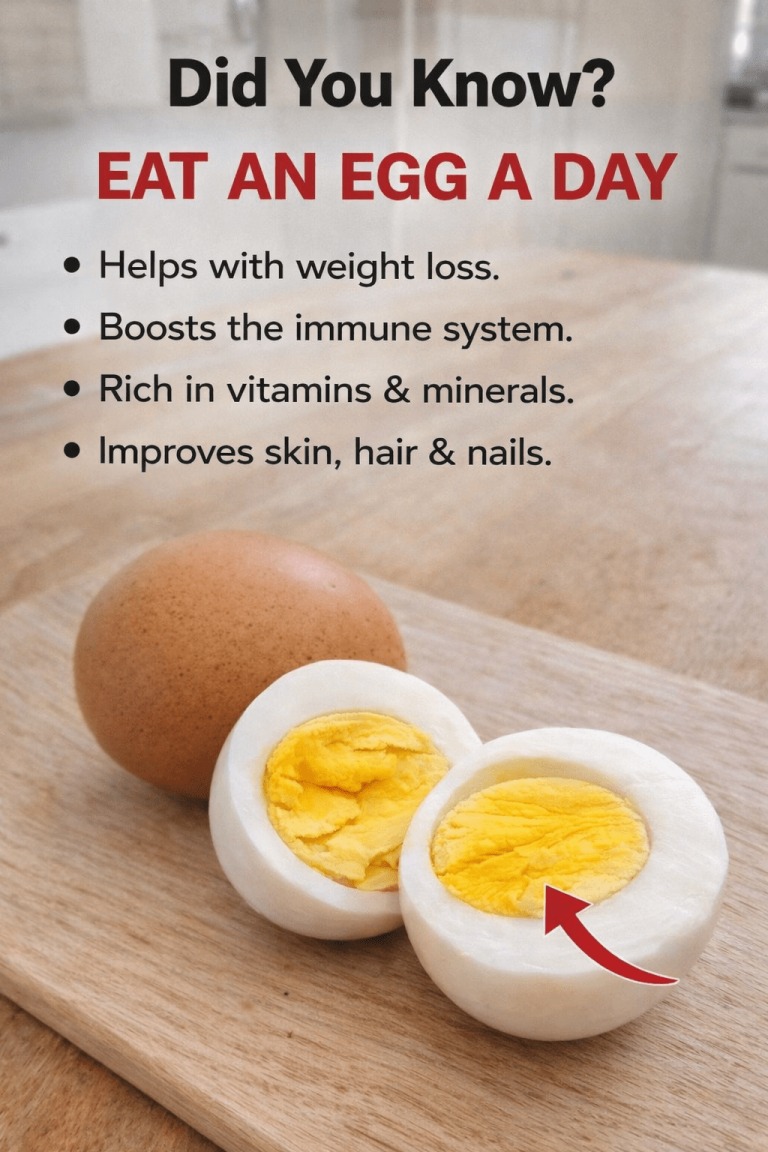
For most people, **yes—eating one egg a day can be healthy**, and current research generally supports that eggs are **nutritious and safe in moderation**.
Let’s break it down clearly:
—
## 🥚 Egg — what science says
### 👍 1. Nutrient-dense food
Eggs contain:
* high-quality protein
* vitamin B12
* vitamin D
* choline (important for brain function)
* selenium and other micronutrients
👉 They’re considered one of the most complete natural protein foods.
—
## ❤️ 2. Heart health and cholesterol (updated research)
Older advice warned about cholesterol in eggs, but newer studies show:
* For **most healthy people**, eating **1 egg per day does NOT significantly increase heart disease risk**
* Dietary cholesterol has **less impact on blood cholesterol than once believed**
* Overall diet matters more than a single food
👉 Large studies find eggs can be part of a heart-healthy diet.
—
## ⚖️ 3. Who should be more careful
Some people may need to monitor intake:
* people with **diabetes or existing heart disease (doctor-guided)**
* those with specific cholesterol metabolism issues
But even here, recommendations vary and are individualized.
—
## 🧠 4. Brain and eye benefits
Eggs contain:
* choline → supports brain health
* lutein and zeaxanthin → support eye health
—
## 🍳 5. Cooking method matters
Health impact changes depending on how eggs are prepared:
* 🟢 boiled / poached → healthiest
* 🟡 scrambled with little oil → fine
* 🔴 fried in lots of butter/oil + processed meats → less healthy
—
## 🧾 Simple takeaway
> For most healthy people, eating one egg a day is nutritious and safe—and can be part of a balanced diet. It’s not harmful by itself, but overall diet and lifestyle matter far more.
—
If you want, I can compare **eggs vs chicken vs plant protein for health**, or explain **how many eggs per week are ideal for different ages and conditions**.
