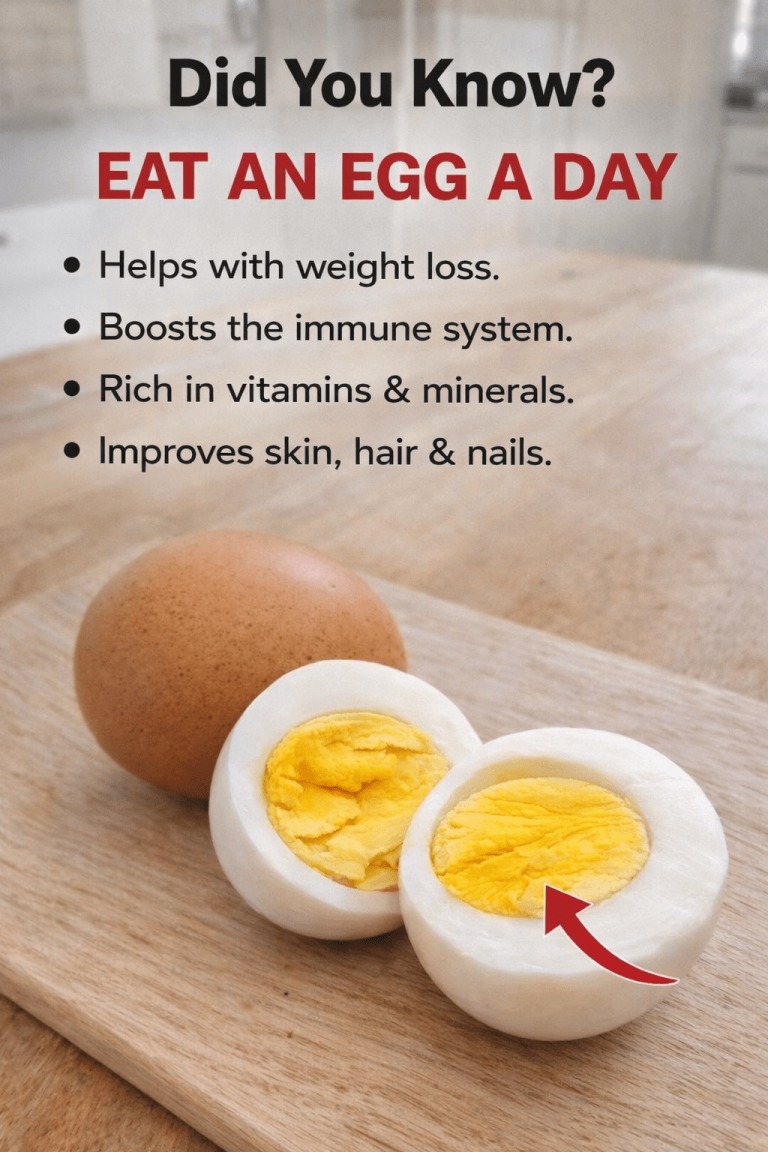
For most people, yes—eating one egg a day is generally considered healthy, based on current research. The key point is that overall diet matters much more than a single food.
🥚 Egg — what “latest research” actually shows
👍 1. Highly nutritious food
Eggs provide:
- high-quality protein
- vitamin B12 and vitamin D
- choline (important for brain and liver function)
- lutein and zeaxanthin (eye health support)
👉 This makes eggs a nutrient-dense food, not an “empty calorie” item.
❤️ 2. Heart health and cholesterol (modern view)
Older advice warned about cholesterol in eggs, but newer large studies show:
- For most healthy people, eating about 1 egg per day does NOT significantly increase heart disease risk
- Dietary cholesterol has less effect on blood cholesterol than previously thought
- The bigger risks come from overall diet quality (processed food, trans fats, etc.)
⚖️ 3. Who should be more cautious
Egg intake may need individual guidance for:
- people with diabetes or existing heart disease
- those with unusual cholesterol responses (“hyper-responders”)
Even then, advice varies by doctor and diet context.
🧠 4. Brain and eye benefits
Eggs naturally contain:
- choline → supports brain function and memory
- lutein + zeaxanthin → support eye health and may reduce age-related eye issues
🍳 5. Preparation matters
Health impact depends on cooking style:
- 🟢 boiled or poached → healthiest
- 🟡 lightly cooked with minimal oil → fine
- 🔴 fried in lots of butter/oil + processed meats → less healthy
🧾 Simple conclusion
For most people, one egg a day is safe and nutritious, and can be part of a heart-healthy diet when combined with overall balanced eating.
If you want, I can also explain how many eggs per week experts typically recommend, or eggs vs other protein sources like fish and chicken.
