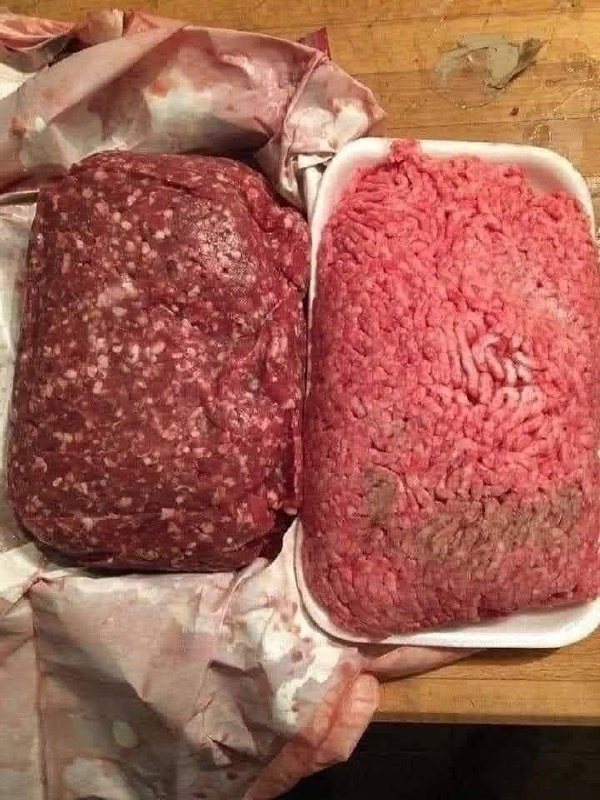
“Store beef” vs. “farm beef” usually comes down to where it comes from, how the animal was raised, and how the meat is handled before you buy it. Neither is automatically “good” or “bad,” but there are real differences.
🥩 Store-bought beef
(Beef from supermarkets or large suppliers)
👍 Pros
- Consistent quality (graded, standardized cuts)
- Convenient and widely available
- Often inspected and regulated at scale
⚠️ Cons
- May come from large industrial farms
- Animals are often grain-fed for faster growth
- Can be less fresh (longer supply chain)
- Flavor may be milder compared to pasture-raised beef
🌾 Farm (local) beef
(Beef bought directly from a farmer or local butcher)
👍 Pros
- Often fresher (shorter time from farm to table)
- Animals may be grass-fed or pasture-raised
- Typically richer, more natural flavor
- You can ask about:
- feed
- use of antibiotics or hormones
- animal welfare
⚠️ Cons
- More expensive
- Quality can vary between farms
- Sometimes less standardized cuts
🧬 Nutritional differences
Farm-raised, grass-fed beef may have:
- slightly higher omega-3 fatty acids
- more conjugated linoleic acid (CLA)
- different fat profile (often leaner)
But overall, both types still provide:
- protein
- iron
- vitamin B12
🧠 What actually matters most
Regardless of source, focus on:
- Freshness (color, smell, storage)
- Proper handling (kept cold, clean packaging)
- Cooking safely
🧾 Bottom line
- Store beef = convenience + consistency
- Farm beef = freshness + transparency + often better flavor
Neither is automatically superior—it depends on your budget, access, and what you value more.
If you want, I can show you how to tell high-quality beef at a glance or which cuts are best for different recipes.
