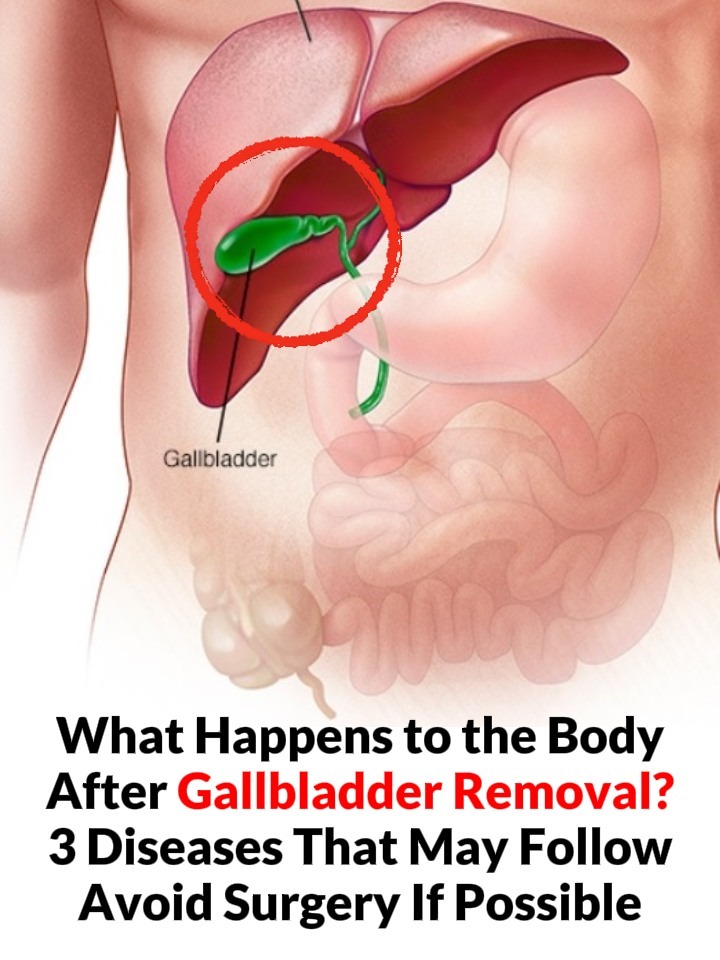
Gallbladder removal (called Cholecystectomy) is very common, and most people go on to live normal, healthy lives. But your digestion does change in ways that are worth understanding.
Here’s a clear, no-nonsense breakdown of what actually happens in your body afterward:
🧠 1. What the Gallbladder Used to Do
Your gallbladder stored and concentrated bile made by the liver. Bile helps break down fats.
- Before surgery: bile is released in bursts when you eat fatty foods
- After surgery: bile flows continuously into your intestines
🔄 2. How Digestion Changes
✅ What stays normal
- Your liver still produces bile
- You can still digest fats
⚠️ What changes
Without storage:
- Bile is less concentrated
- Fat digestion becomes less efficient, especially early on
👉 Result:
- You may feel bloated after fatty meals
- Some foods become harder to tolerate
🚽 3. Common Symptoms After Surgery
Not everyone gets these, but they’re fairly common:
Short-term (first weeks/months)
- Diarrhea
- Gas and bloating
- Mild abdominal discomfort
Long-term (in some people)
- Chronic diarrhea (called Postcholecystectomy syndrome)
- Fat intolerance
- Urgency after meals
💡 Why diarrhea happens:
Continuous bile can irritate the intestines and speed things up.
🥗 4. Foods That May Trigger Problems
After surgery, certain foods are more likely to cause symptoms:
- Fried foods
- High-fat meals
- Spicy foods
- Dairy (for some people)
- Caffeine
Better tolerated foods:
- Lean proteins
- Rice, bananas, toast
- Steamed vegetables
- Low-fat diets (at least initially)
⚖️ 5. Weight Changes
This goes both ways:
- Some people lose weight (due to diet changes or reduced fat tolerance)
- Others gain weight (because they return to normal eating habits)
There’s no automatic weight-loss effect from the surgery itself.
⚠️ 6. Potential Risks & Complications
Most people recover smoothly, but possible issues include:
- Bile duct injury (rare but serious)
- Infection after surgery
- Bile leakage
- Long-term digestive sensitivity
Also, there’s a slightly increased risk of developing:
- Bile acid diarrhea
- Small intestinal bacterial imbalance (sometimes linked to symptoms)
🏃 7. Recovery Timeline
First few days:
- Pain and fatigue
- Light diet recommended
1–2 weeks:
- Gradual return to normal activity
4–6 weeks:
- Most people feel normal again
Full digestive adjustment can take a few months
🧩 8. Long-Term Outlook
Good news:
- You don’t need a gallbladder to live normally
- The body adapts over time
- Most people return to a regular diet
However:
- Some need long-term dietary adjustments
- A small percentage experience ongoing digestive issues
🧠 Bottom Line
Removing the gallbladder doesn’t stop digestion—but it changes how bile is delivered, which can affect how your body handles fat.
Most effects are manageable, especially with:
- Smarter food choices
- Gradual diet reintroduction
- Awareness of triggers
If you want, I can tailor a post-surgery diet plan or explain exactly what to eat in the first 2 weeks vs long-term.
