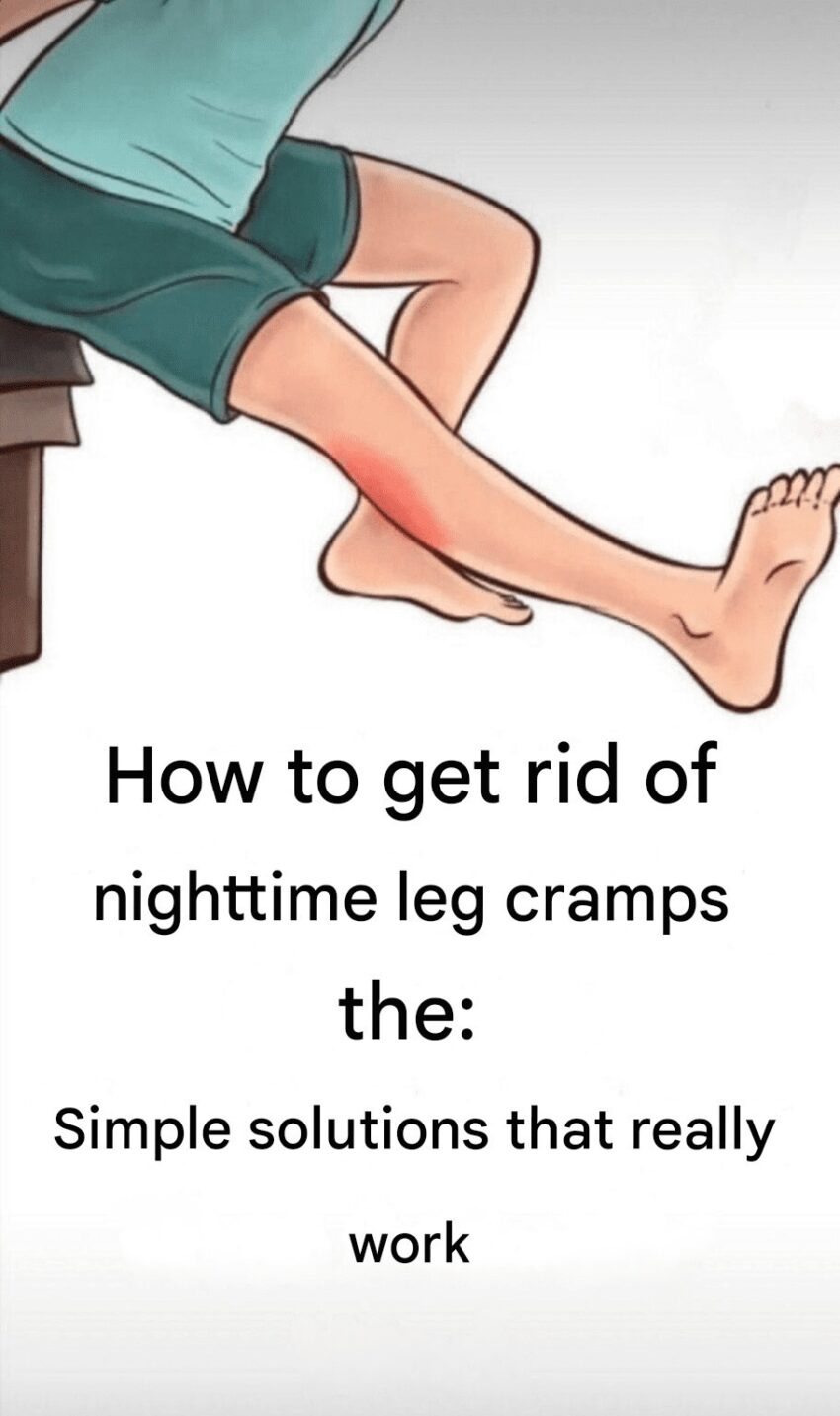
Nighttime leg cramps (often called “charley horses”) are usually sudden, painful muscle contractions in the calves or feet that happen during sleep. They’re common and often harmless, but very uncomfortable.
Here are simple, evidence-based ways to reduce or stop them:
Quick relief when a cramp hits
- Stretch immediately: straighten your leg and pull your toes toward your shin
- Stand and walk if possible (puts the muscle in a relaxed position)
- Massage the muscle to help it release
- Apply heat (warm towel or heating pad) if it stays tight afterward
Daily habits that actually help prevent them
1. Stay hydrated
Dehydration is a common trigger.
- Drink enough water throughout the day
- More important in hot weather or if you sweat a lot
2. Stretch before bed (very effective)
Focus on calf stretches:
- Stand facing a wall, one foot behind the other
- Keep back heel on the ground for 20–30 seconds
- Repeat a few times before sleeping
3. Check your mineral balance
Low levels of certain minerals can contribute:
- magnesium
- potassium
- calcium
You can get these from foods like bananas, yogurt, leafy greens, nuts, and legumes. Supplements may help some people, but aren’t always necessary.
4. Avoid long periods of stillness
- If you sit a lot during the day, move your legs periodically
- Light walking improves circulation
5. Sleeping position matters
- Avoid pointing your toes downward while sleeping
- Slightly elevating your feet can help some people
6. Review medications (if applicable)
Some medicines (like certain diuretics or cholesterol drugs) can contribute. A doctor can check this if cramps are frequent.
When to see a doctor
Get checked if:
- cramps are frequent and severe
- they disrupt sleep regularly
- you also have swelling, weakness, or numbness
- they started after a new medication
Bottom line
Most nighttime leg cramps improve with hydration, regular calf stretching, and better circulation habits. They’re usually not dangerous, just annoying and fixable.
If you want, I can give you a 2-minute bedtime routine specifically designed to prevent them.
