Heart Attack: Causes, Symptoms, and Treatment Guide
A clear, simple explanation of one of the most serious heart emergencies
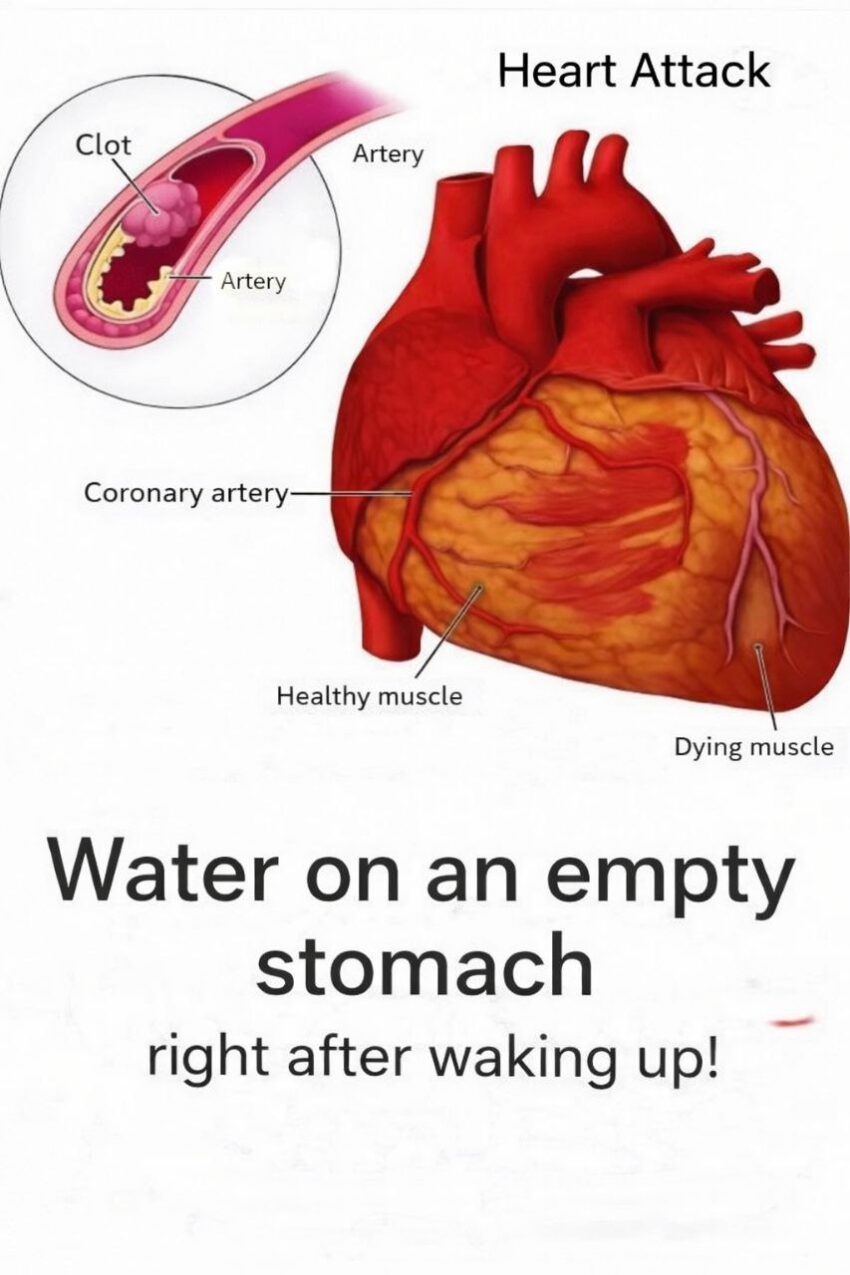
A Heart Attack happens when blood flow to part of the heart is suddenly blocked. Without oxygen-rich blood, heart muscle begins to get damaged within minutes. This is a medical emergency that requires immediate treatment.
Part 1: Understanding Heart Attacks in Simple Terms
A heart attack usually occurs when the arteries supplying the heart become narrowed or blocked. This blockage is often caused by a buildup of fatty deposits over time.
Main Causes of a Heart Attack
1. Coronary Artery Disease
The most common cause is Coronary Artery Disease, where plaque builds up inside the arteries.
This plaque can:
- Narrow the arteries
- Reduce blood flow
- Suddenly rupture and form a clot
2. Blood Clot Formation
A clot can completely block blood flow to the heart muscle, triggering a heart attack.
3. High Blood Pressure
Over time, high pressure damages artery walls, making blockages more likely.
4. High Cholesterol
Excess cholesterol contributes to plaque buildup inside arteries.
5. Lifestyle Risk Factors
Common contributing factors include:
- Smoking
- Lack of physical activity
- Unhealthy diet
- Obesity
- Diabetes
Symptoms of a Heart Attack
Symptoms can vary between individuals, but common signs include:
1. Chest Pain or Pressure
- Tightness, heaviness, or squeezing in the chest
- May last several minutes or come and go
2. Shortness of Breath
- Difficulty breathing even at rest or with mild activity
3. Pain in Other Areas
Pain may spread to:
- Left arm
- Neck
- Jaw
- Back
4. Cold Sweats, Nausea, or Dizziness
Some people may feel:
- Sudden sweating
- Lightheadedness
- Upset stomach
5. Unusual Fatigue
Especially common in women, this may appear days before a heart attack.
Part 2: Treatment and Emergency Care
What to Do Immediately
A heart attack is an emergency. If symptoms appear:
- Call emergency services immediately
- Do not delay or try to “wait it out”
Medical Treatment Options
Doctors may use several treatments depending on severity:
1. Medications
- Blood thinners to prevent clot growth
- Pain relief and oxygen support
- Drugs to improve blood flow
2. Angioplasty (Stent Placement)
A procedure to open blocked arteries and restore blood flow.
3. Bypass Surgery
In severe cases, surgeons create a new route for blood to reach the heart.
Recovery and Long-Term Care
After a heart attack, long-term management is important:
- Healthy diet (low in saturated fats)
- Regular exercise
- Smoking cessation
- Blood pressure and cholesterol control
- Ongoing medication if prescribed
How to Reduce Risk
To lower the chance of a heart attack:
- Maintain a healthy weight
- Exercise regularly
- Eat fruits, vegetables, and whole grains
- Manage stress
- Get regular medical checkups
Final Thought
A heart attack is life-threatening but often preventable. Recognizing early symptoms and acting quickly can save lives. Long-term heart health depends on consistent lifestyle choices and medical care when needed.
Source Note
This information is based on general cardiology and public health knowledge related to heart attack causes, symptoms, and emergency treatments, commonly referenced in clinical guidelines and cardiovascular education resources.
If you want, I can also make:
- a short emergency warning checklist (viral style)
- a YouTube script explaining heart attack signs
- or a simple infographic version for social media 👍
