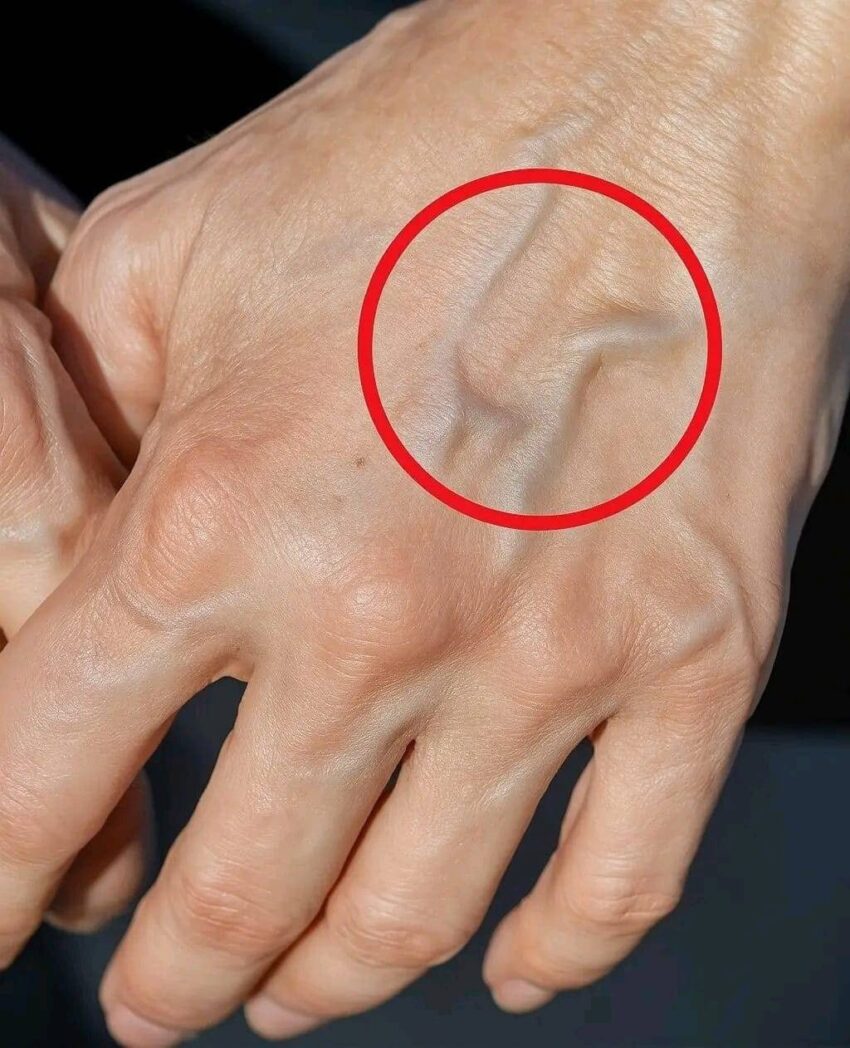
Visible veins can be completely normal—or sometimes a sign of changes in your body that are worth paying attention to. The key is understanding why they become more noticeable and what your body might be signaling.
Below is an in-depth, practical guide.
Understanding Visible Veins – Meaning, Causes & Body Signals
1. What Are Visible Veins?
Veins are blood vessels that carry blood back to the heart. They often appear blue or green under the skin due to how light interacts with the skin and blood.
When veins become more visible, it usually means:
- They are closer to the skin surface
- Blood flow has increased
- Body fat under the skin has decreased
- Veins have widened or become more pressurized
2. Common, Normal Causes of Visible Veins
A. Low Body Fat
This is one of the most common reasons.
- Less fat = less “cover” over veins
- Often seen in athletes, lean individuals, or after weight loss
👉 This is usually harmless and expected.
B. Exercise & Muscle Pump
During or after exercise:
- Muscles demand more oxygen
- Blood flow increases
- Veins expand temporarily
This is often called the “pump effect” in fitness.
C. Genetics
Some people naturally have:
- Thinner skin
- More superficial veins
- Stronger vein visibility even without low body fat
D. Heat or Warm Weather
Heat causes:
- Veins to expand (vasodilation)
- Increased blood flow near the skin to cool the body
That’s why veins often look more visible in summer.
E. Aging
As we age:
- Skin becomes thinner
- Fat layer reduces
- Veins become more exposed
This is a natural process.
3. Health-Related Causes (When It May Mean Something More)
A. Dehydration
When the body lacks fluids:
- Blood volume drops
- Veins may look more prominent or “sunken”
- Skin can appear tighter
Signs include:
- Dry mouth
- Fatigue
- Dark urine
B. Hormonal Changes
Hormones can affect blood vessels and skin thickness:
- Pregnancy
- Menstrual cycle changes
- Thyroid issues
C. High Blood Pressure or Increased Venous Pressure
If veins appear:
- Bulging
- Twisted
- Painful
It may indicate circulation strain.
A related condition is Varicose Veins, where veins become enlarged, twisted, and weakened due to poor valve function.
Symptoms may include:
- Aching legs
- Swelling
- Heaviness after standing
D. Stress or Anxiety
Stress activates the nervous system:
- Blood flow changes
- Heart rate increases
- Veins may temporarily appear more visible
E. Medical Conditions (Less Common)
In some cases, visible veins can be associated with:
- Chronic venous insufficiency
- Liver disease (rare, with other symptoms)
- Inflammatory conditions affecting blood vessels
These usually come with additional symptoms, not just visible veins alone.
4. Where Veins Become More Visible (and Why It Matters)
Arms and Hands
- Common with low body fat or exercise
- Usually harmless
Legs
- Can be normal after standing long hours
- If persistent + painful → check for varicose veins
Chest or Abdomen
- Often seen in thin individuals or during muscle gain
- Sudden prominent veins + discomfort may need evaluation
5. When Visible Veins Are NOT a Concern
Generally normal if:
- No pain or swelling
- Appearance changes with temperature or activity
- You are physically active or lean
- No sudden unexplained changes
6. Warning Signs to Watch For
Seek medical advice if visible veins come with:
- Pain or burning sensation
- Swelling in one limb
- Skin discoloration around veins
- Sudden appearance of large bulging veins
- Warmth or redness (possible inflammation)
7. Simple Ways to Support Healthy Veins
- Stay hydrated
- Regular movement (avoid long sitting/standing)
- Maintain healthy body weight
- Elevate legs when resting
- Wear compression socks if advised
- Avoid excessive heat exposure for long periods
8. Key Takeaway
Visible veins are usually a normal response to body composition, blood flow, or environmental changes.
They become more meaningful medically only when paired with:
- pain
- swelling
- sudden changes
- or persistent bulging
If you want, I can also explain:
- why veins suddenly become more visible overnight
- visible veins in hands vs legs differences
- or whether it indicates fitness level or health issues in your specific case
