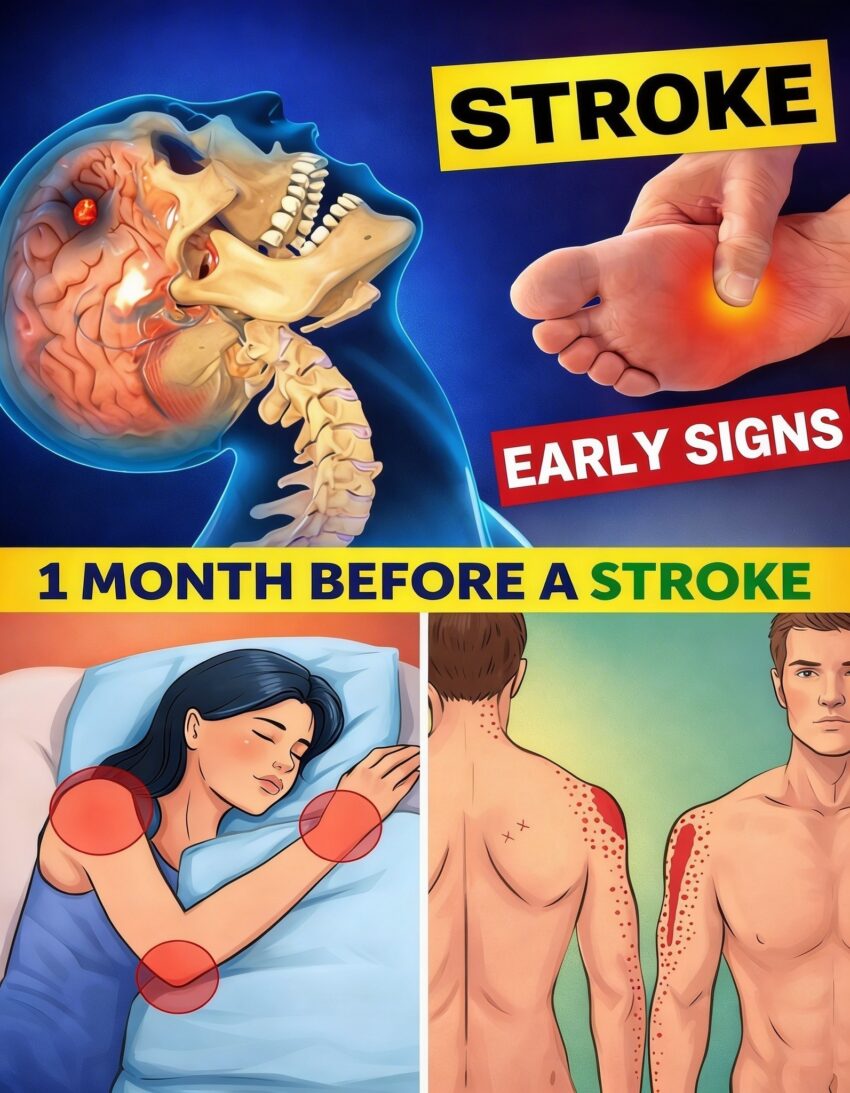
Here’s a comprehensive, clear guide on recognizing stroke warning signs and ways to reduce your risk:
1. What a Stroke Is
A stroke occurs when blood flow to part of the brain is interrupted or reduced, causing brain cells to die. This can result from:
- Ischemic stroke: Blockage in a blood vessel (most common)
- Hemorrhagic stroke: Blood vessel rupture causing bleeding in the brain
Early recognition is critical, as immediate treatment can save brain function and lives.
2. Warning Signs of a Stroke
Think FAST:
| Letter | What to Look For |
|---|---|
| F – Face drooping | One side of the face droops or feels numb; ask the person to smile. |
| A – Arm weakness | One arm drifts downward when both arms are raised. |
| S – Speech difficulty | Slurred speech, trouble speaking, or difficulty understanding. |
| T – Time to call emergency services | If any of these signs appear, call 911 (or your local emergency number) immediately. |
Other warning signs:
- Sudden numbness or weakness in legs
- Sudden confusion, trouble seeing, or walking
- Severe headache with no known cause
- Dizziness, loss of balance, or coordination problems
3. Risk Factors
- Uncontrollable: Age (over 55), family history, previous stroke or TIA
- Controllable:
- High blood pressure
- Smoking
- Diabetes
- High cholesterol
- Obesity and sedentary lifestyle
- Excessive alcohol use
4. Prevention Strategies
- Maintain a healthy blood pressure – most important factor.
- Eat a balanced diet: Fruits, vegetables, whole grains, lean proteins, limit salt.
- Exercise regularly: At least 150 minutes/week of moderate activity.
- Avoid smoking and limit alcohol.
- Manage chronic conditions: Diabetes, high cholesterol, atrial fibrillation.
- Maintain a healthy weight and manage stress.
✅ Bottom Line
- Recognize stroke signs FAST—quick action can save lives.
- Prevent strokes by controlling risk factors through lifestyle, medication adherence, and regular health checkups.
If you want, I can make a visual infographic-style cheat sheet for stroke signs and prevention, easy to memorize and share with family. This is especially helpful for older adults. Do you want me to do that?
