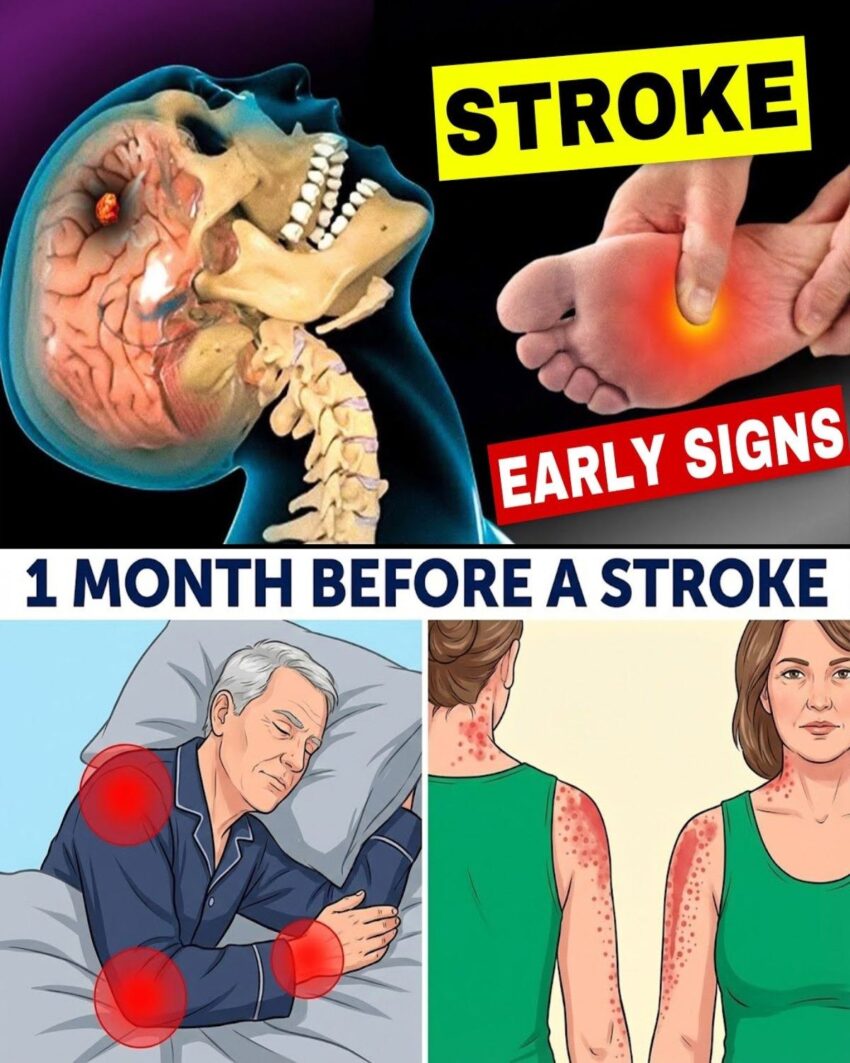
Here’s a comprehensive guide on stroke: warning signs and prevention strategies:
🧠 What is a Stroke?
A stroke occurs when blood flow to a part of the brain is interrupted or reduced, depriving brain tissue of oxygen. Brain cells begin to die within minutes.
Types of stroke:
- Ischemic – caused by a blood clot blocking a blood vessel
- Hemorrhagic – caused by a blood vessel rupturing in the brain
- Transient Ischemic Attack (TIA) – “mini-stroke,” temporary blockage
⚠️ Warning Signs of Stroke
Remember the acronym FAST:
- F – Face drooping
- One side of the face droops or feels numb
- A – Arm weakness
- One arm drifts downward when raised
- S – Speech difficulty
- Slurred speech, unable to speak, or hard to understand
- T – Time to call emergency services immediately
Other symptoms may include:
- Sudden numbness or weakness in leg, arm, or face
- Sudden confusion or trouble understanding speech
- Sudden trouble seeing in one or both eyes
- Sudden trouble walking, dizziness, loss of balance or coordination
- Severe sudden headache with no known cause
🛡️ Prevention of Stroke
Preventing stroke involves managing risk factors and maintaining a healthy lifestyle.
1. Control Blood Pressure
- High blood pressure is the leading risk factor
- Monitor regularly and follow medical advice
2. Manage Diabetes
- Keep blood sugar under control to reduce vascular damage
3. Maintain Healthy Cholesterol
- Reduce LDL (“bad cholesterol”) and increase HDL (“good cholesterol”)
- Eat heart-healthy foods: fruits, vegetables, whole grains
4. Avoid Smoking and Limit Alcohol
- Smoking increases clot formation and vessel damage
- Excess alcohol raises blood pressure and stroke risk
5. Stay Physically Active
- Exercise at least 30 minutes/day
- Helps control weight, blood pressure, and blood sugar
6. Maintain Healthy Weight
- Obesity increases risk of high blood pressure, diabetes, and heart disease
7. Eat a Heart-Healthy Diet
- Reduce salt, sugar, and processed foods
- Include leafy greens, berries, nuts, and fish
8. Manage Stress
- Chronic stress can raise blood pressure and damage blood vessels
9. Regular Check-ups
- Monitor cardiovascular health, blood pressure, cholesterol, and diabetes
🚨 Immediate Action
If you suspect a stroke:
- Call emergency services immediately
- Note the time symptoms began (important for treatment)
- Do not drive yourself to the hospital
✅ Key Takeaway
- Early recognition saves lives – FAST symptoms are critical
- Lifestyle changes and managing underlying conditions can prevent strokes
- Emergency treatment within hours can reduce disability
If you want, I can make a quick visual “Stroke Warning Signs Checklist” that you can remember easily and share with family for safety.
