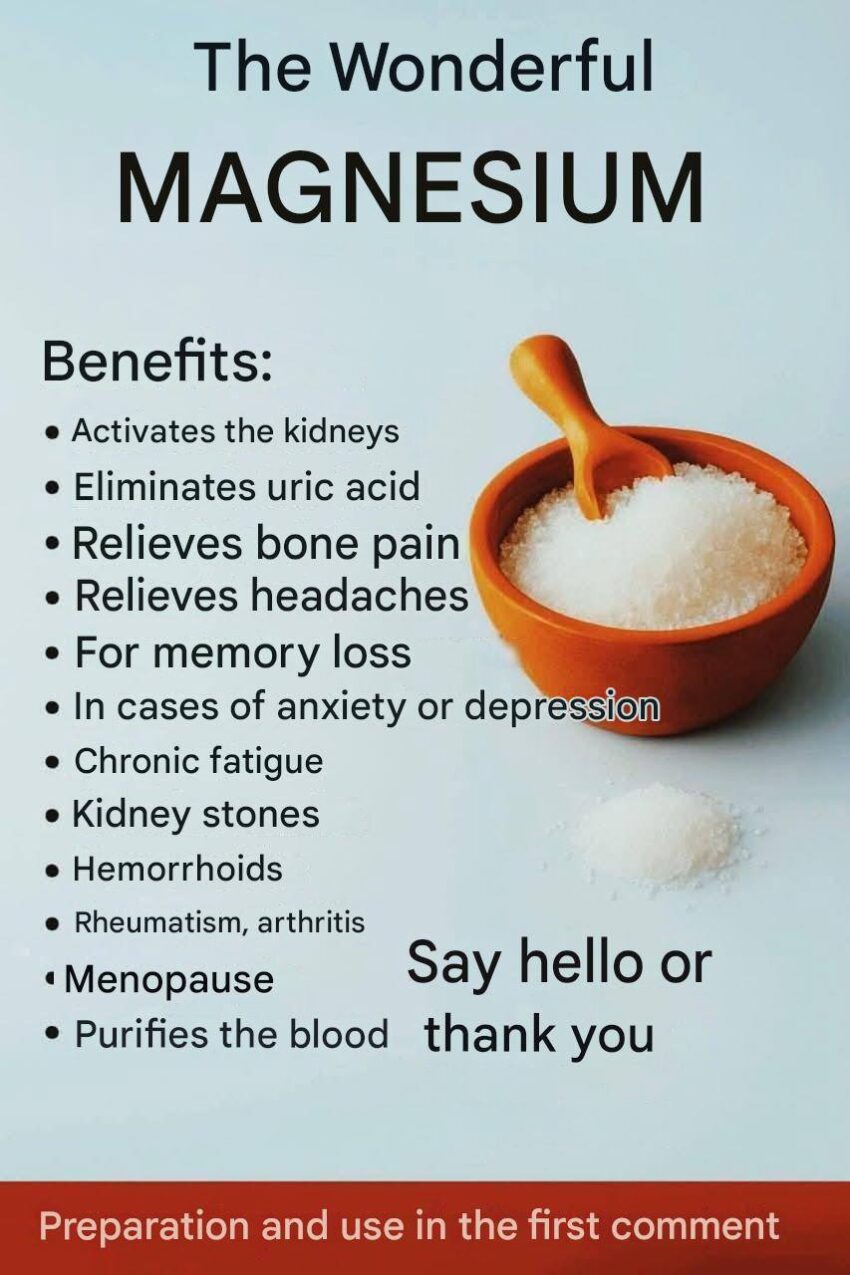
The Wonderful Benefits of Magnesium: Why This Essential Mineral Matters for Your Health
Magnesium is one of the most important minerals your body needs every day, yet many people don’t get enough of it. It plays a key role in hundreds of biological functions, including energy production, muscle movement, nerve function, and heart health.
In modern nutrition and mineral deficiency awareness, magnesium is often called the “calming mineral” because of its wide-ranging effects on both body and mind.
1. Supports Healthy Muscle Function and Prevents Cramps
Magnesium helps muscles contract and relax properly.
Low levels may contribute to:
- Muscle cramps
- Twitching
- Nighttime leg discomfort (often linked with Nocturnal Leg Cramps)
Adequate magnesium supports smoother muscle activity and recovery after physical activity.
2. Promotes Better Sleep and Relaxation
Magnesium is closely linked to the nervous system and helps regulate calming neurotransmitters.
It may help:
- Improve sleep quality
- Reduce restlessness
- Support relaxation before bedtime
This is why it is often included in natural sleep support and stress management routines.
3. Supports Heart and Blood Pressure Health
Magnesium plays an important role in maintaining a healthy heartbeat and blood vessel function.
Research suggests it may help support normal blood pressure levels and overall cardiovascular balance, especially when combined with a healthy diet.
It is commonly studied in relation to conditions like Hypertension.
4. Boosts Energy Production
Your body uses magnesium to convert food into energy.
Without enough magnesium:
- Fatigue may increase
- Energy levels can drop
- Physical performance may feel reduced
This makes magnesium essential for daily vitality and metabolism.
5. Supports Brain Function and Mood Balance
Magnesium helps regulate signals in the brain and nervous system.
Adequate levels may support:
- Focus and concentration
- Stress management
- Mood stability
Low magnesium has been studied in relation to increased stress and irritability.
6. Strengthens Bone Health
About 60% of the body’s magnesium is stored in bones.
It works alongside calcium and vitamin D to:
- Maintain bone strength
- Support bone density
- Reduce risk of bone weakness over time
This is especially important for aging adults.
7. Helps Maintain Blood Sugar Balance
Magnesium plays a role in how the body uses insulin and glucose.
It is often studied in relation to metabolic health and conditions like Type 2 Diabetes, where mineral balance can be important.
Natural Food Sources of Magnesium
You can get magnesium from everyday foods such as:
- Leafy green vegetables (spinach)
- Nuts and seeds (almonds, pumpkin seeds)
- Whole grains
- Beans and legumes
- Dark chocolate (in moderation)
Signs You May Be Low in Magnesium
Some possible signs include:
- Muscle cramps or spasms
- Fatigue
- Poor sleep
- Irritability or stress
- Headaches
Final Thought
Magnesium is a small mineral with a big impact. From muscles and nerves to sleep and heart health, it supports many essential functions in the body. Maintaining healthy levels through diet is one of the simplest ways to support overall wellness.
Source Note
This information is based on general nutritional science and public health guidelines related to magnesium’s role in human physiology, muscle function, cardiovascular health, and metabolism, commonly referenced in clinical nutrition and dietary education resources.
If you want, I can also turn this into:
- a “magnesium deficiency symptoms” viral post
- a SEO blog article
- or a food list of highest magnesium sources 👍
