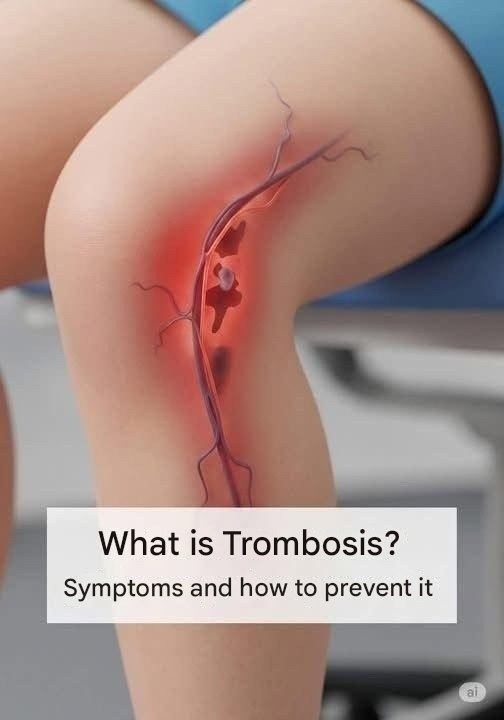
“Natural remedies” can support general circulation, but thrombosis (blood clots) is a medical condition that can be life-threatening. It’s important to recognize symptoms early and not rely on home remedies alone.
🩸 What thrombosis is
Thrombosis means a blood clot forming inside a blood vessel, which can block blood flow.
Two common types:
- Deep vein thrombosis (DVT) – usually in the leg
- Pulmonary embolism (PE) – when a clot travels to the lungs (medical emergency)
🚨 Key symptoms to watch for
🦵 DVT (leg clot)
- Swelling in one leg (not both)
- Pain or tenderness (often in calf)
- Warmth in the area
- Red or discolored skin
🫁 Pulmonary embolism (emergency)
- Sudden shortness of breath
- Chest pain (worse with breathing)
- Rapid heartbeat
- Cough (sometimes with blood)
👉 These symptoms require urgent medical care
⚠️ Who is at higher risk
- Long periods of sitting (travel, bed rest)
- Older age
- Obesity
- Smoking
- Recent surgery
- Hormonal medications
- Previous clot history
🌿 Natural ways to support prevention (not treatment)
🚶 1) Stay active
- Walk regularly
- Move every 1–2 hours during long travel
💧 2) Stay hydrated
- Helps prevent blood from becoming too thick
🥗 3) Heart-healthy diet
- Fruits, vegetables, whole grains
- Healthy fats (nuts, seeds, olive oil)
🧦 4) Compression (if advised)
- Compression stockings improve circulation in legs
🚭 5) Avoid smoking
- Smoking damages blood vessels and increases clot risk
🚫 What natural remedies cannot do
- ❌ Dissolve an existing clot
- ❌ Replace blood thinners (anticoagulants)
- ❌ Prevent clots in high-risk patients alone
🧠 Important reality
If a clot is suspected, doctors may use:
- blood thinners
- imaging tests
- emergency treatment (for PE)
👉 Delay can be dangerous.
🧾 Bottom line
Natural habits can reduce risk, but thrombosis is a serious medical condition:
👉 Know the symptoms
👉 Act quickly if they appear
👉 Use lifestyle prevention alongside proper medical care
If you want, I can explain:
👉 early warning differences between muscle pain vs clot pain
👉 or how to reduce clot risk during long travel specifically
