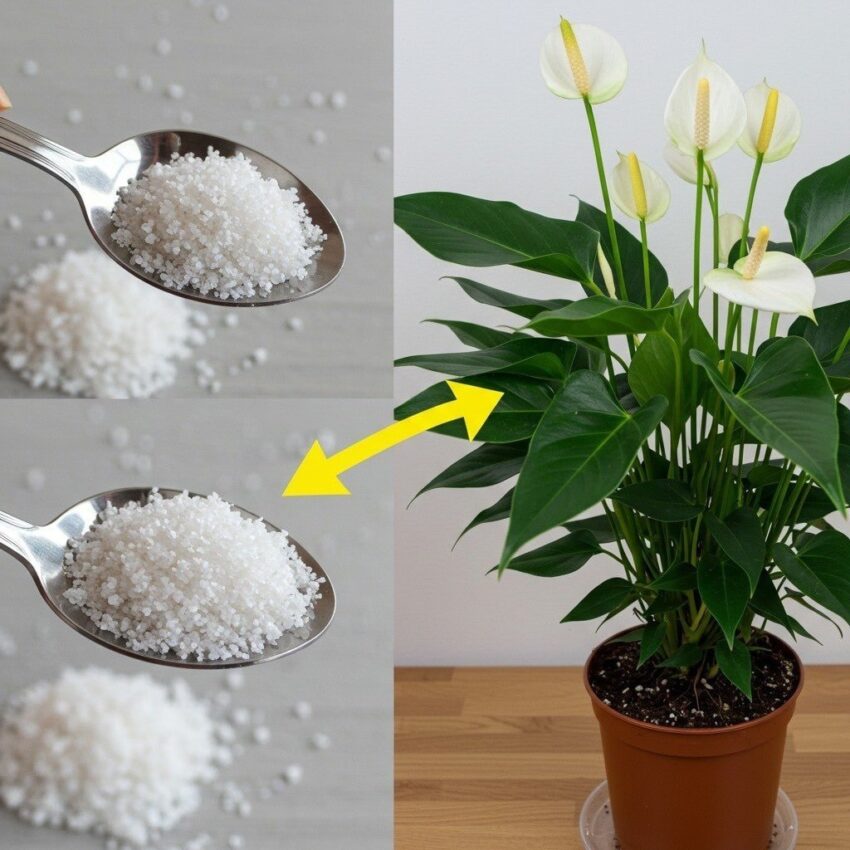
Here’s a detailed overview of salt — its types, uses, and health considerations:
🧂 What Is Salt?
Salt is a mineral primarily composed of sodium chloride (NaCl). It’s essential for human health in small amounts, mainly to:
- Maintain fluid balance
- Support nerve and muscle function
- Aid in digestion
It’s widely used in cooking, food preservation, and even industrial applications.
⚡ Types of Salt
| Type | Description | Common Use |
|---|---|---|
| Table salt | Fine-grained, usually iodized | Everyday cooking, baking |
| Sea salt | Evaporated from seawater, can be coarse | Cooking, finishing dishes |
| Kosher salt | Flaky crystals, no additives | Seasoning meats, general cooking |
| Himalayan pink salt | Mineral-rich, pink hue from iron | Finishing salt, decorative use |
| Celtic salt | Moist, grayish, harvested from clay-lined pools | Gourmet cooking |
| Flavored salts | Infused with herbs/spices | Finishing dishes, enhancing flavors |
🍽 Culinary Uses
- Seasoning: Enhances flavor in almost all foods.
- Preservation: Salt draws out moisture, slowing bacterial growth in meats, fish, and vegetables.
- Baking: Helps control yeast activity and strengthens gluten.
- Finishing salt: Coarse or specialty salts add texture and visual appeal.
⚠️ Health Considerations
- Recommended intake: ~2,300 mg sodium per day (≈1 tsp salt) for adults.
- Excess consumption risks: High blood pressure, cardiovascular disease, kidney strain.
- Deficiency: Rare, but can cause hyponatremia (low sodium) leading to fatigue, confusion, or muscle cramps.
🧪 Non-Culinary Uses
- Water softening
- De-icing roads
- Bath salts for relaxation (e.g., Epsom salt, which is magnesium sulfate)
- Cleaning or scrubbing surfaces
If you want, I can make a comparison chart of salt types with flavor, texture, and best uses—super handy for cooking decisions. Do you want me to do that?
