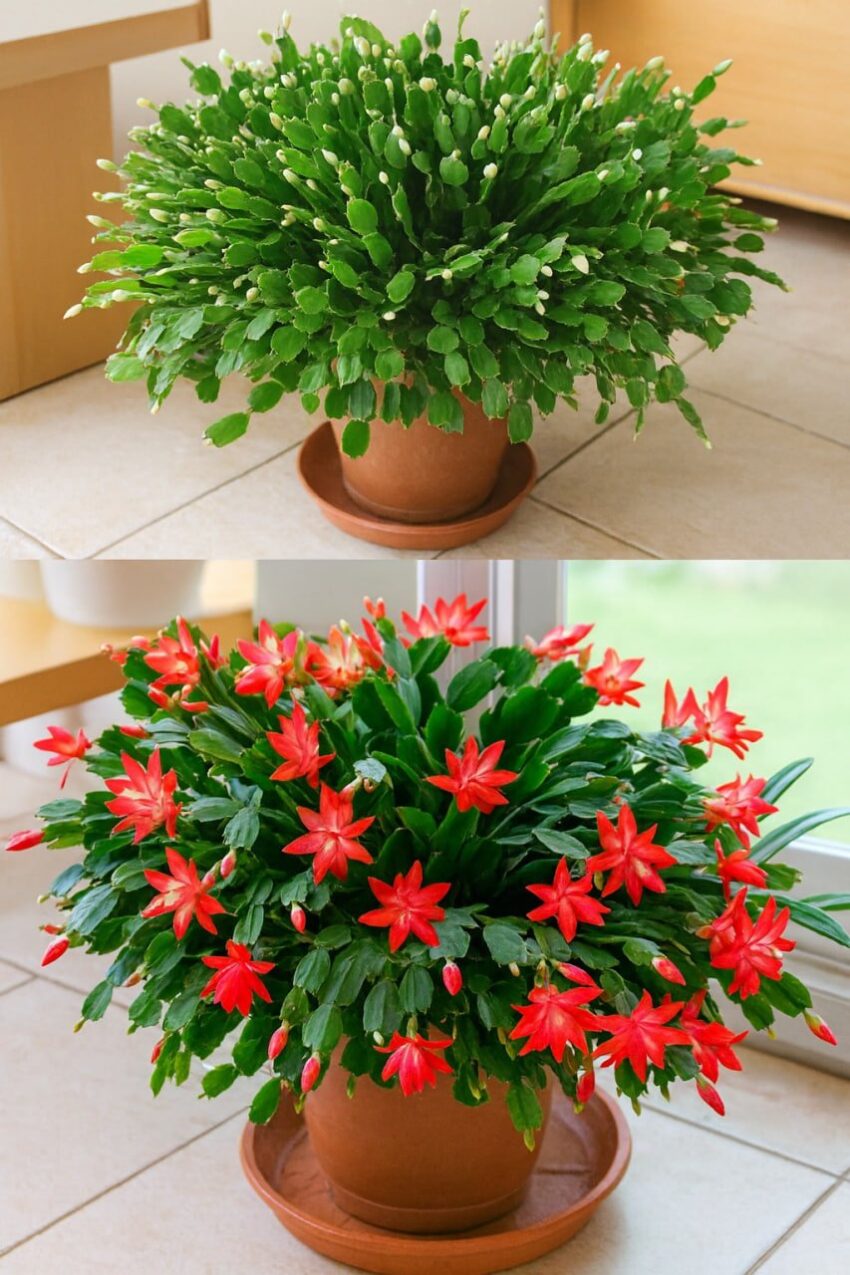
🌵 Rhipsalidopsis gaertneri — Complete Guide
Rhipsalidopsis gaertneri, commonly known as the Easter cactus, is a beautiful flowering houseplant famous for its bright blooms around springtime (often near Easter).
🌸 What It Looks Like
- Flat, segmented green stems (no sharp spines)
- Star-shaped flowers in:
- Red ❤️
- Pink 🌸
- White 🤍
- Orange 🧡
🌍 Native Habitat
- Native to rainforests of Brazil
- Grows on trees (epiphytic), not in dry desert soil like typical cacti
🌞 Care Guide
☀️ Light
- Bright, indirect light
- Avoid strong direct sun → can burn leaves
💧 Watering
- Keep soil slightly moist
- Let top layer dry between watering
- Reduce watering after flowering
🌡️ Temperature
- Ideal: 15–24°C
- Needs cooler temps (10–15°C) to trigger blooming
🌱 Soil
- Well-draining mix (cactus soil + organic matter)
🌼 Flowering Tips
To encourage blooms:
- Give cool nights + longer darkness (about 12–14 hours)
- Reduce watering slightly before blooming season
- Avoid moving the plant once buds form
🔁 Difference from Similar Plants
Often confused with:
- Schlumbergera (Christmas cactus)
Key differences:
- Easter cactus has rounded leaf edges
- Christmas cactus has pointed/serrated edges
⚠️ Common Problems
- Bud drop → sudden temperature/light change
- Root rot → overwatering
- No flowers → too much light at night or no cool period
🐾 Pet Safety
- Generally considered non-toxic to cats and dogs ✅
🧠 Quick Summary
- Not a desert cactus 🌵
- Loves humidity + indirect light
- Needs cool rest period to bloom
- Reward: stunning spring flowers 🌸
If you want, I can help you:
- 🌼 Make it bloom every year
- 🪴 Fix a sick or non-flowering plant
- 📸 Identify if your cactus is Easter, Christmas, or Thanksgiving type
