Pork loin
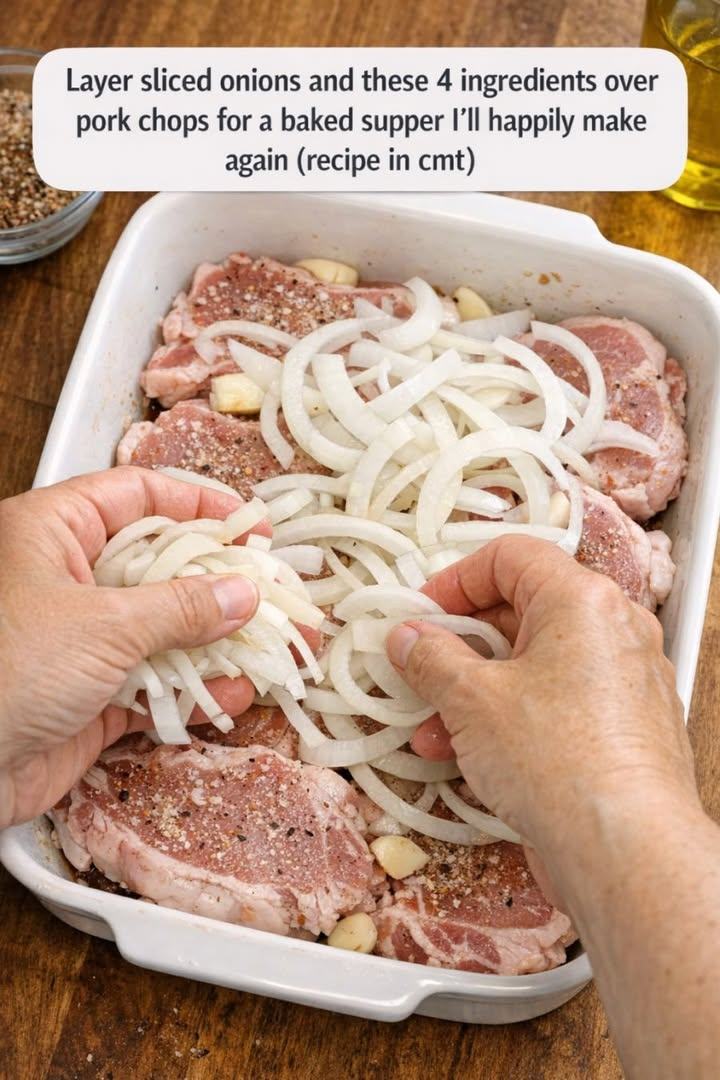
Pork loin is a lean cut of meat from the back of a pig, taken from the area between the shoulder and the leg. It is one of the most tender and mild-flavored cuts of pork, often used for roasting or slicing into pork chops.
🍖 Key Characteristics
- Location on animal: Along the pig’s back
- Texture: Lean and tender
- Flavor: Mild, slightly sweet
- Color when cooked: Light pink to white
🍳 Common Ways to Cook Pork Loin
- Roasting – Whole pork loin roasted in the oven with herbs and spices.
- Grilling – Cut into thick steaks or chops and grilled.
- Pan-searing – Sliced into medallions and cooked quickly in a pan.
- Slow cooking – Cooked slowly for extra tenderness.
Popular seasonings include garlic, rosemary, black pepper, paprika, and mustard.
🥗 Nutrition (Approximate per 100 g cooked)
- Protein: ~26 g
- Fat: ~7–10 g
- Calories: ~190 kcal
- Rich in vitamin B6, B12, zinc, and selenium
Because it’s relatively lean, pork loin is considered one of the healthier pork cuts.
⚠️ Food Safety
Pork should be cooked to an internal temperature of about 63 °C (145 °F) with a short rest time to ensure safety.
🍖 Pork Loin vs Pork Tenderloin
Many people confuse them:
| Cut | Size | Texture |
|---|---|---|
| Pork loin | Large, wide cut | Lean but slightly firmer |
| Pork tenderloin | Small, narrow muscle | Very tender |
If you want, I can also explain the difference between pork loin, pork shoulder, and pork belly, and which dishes each cut is best for.
