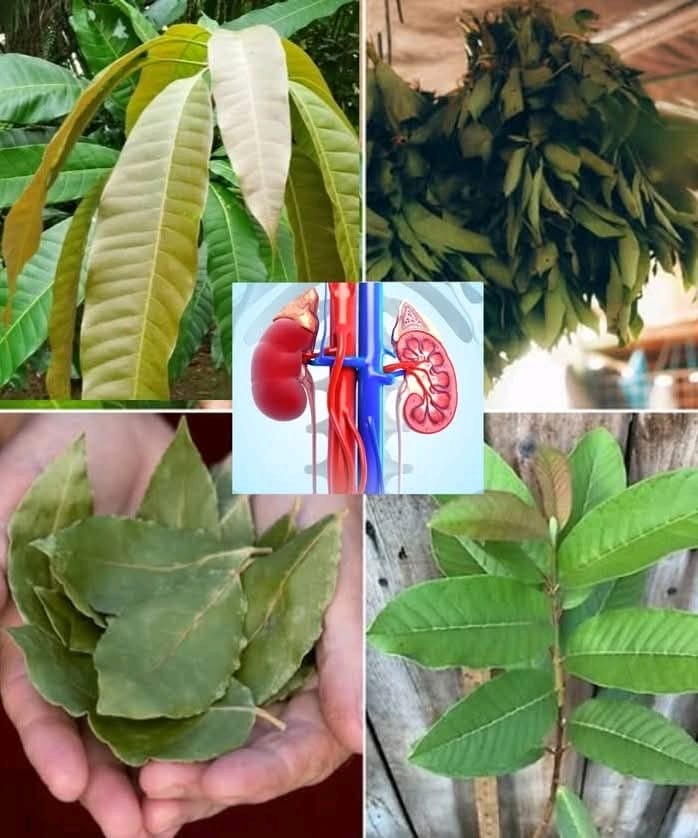
Pometia pinnata is a tropical tree commonly found in Southeast Asia and the Pacific. It’s known for its edible fruit and traditional medicinal uses.
🌳 What it is
- A tall evergreen tree (can grow 20–40 meters)
- Produces round fruits with a thin outer skin and a juicy, translucent pulp
- The fruit tastes somewhat like lychee or longan
🍈 Common names
- Fijian longan
- Island lychee
- Taun (in some regions)
🧪 Nutritional & traditional uses
The fruit and other parts of the tree are used in traditional medicine:
Fruit:
- Contains vitamin C and antioxidants
- Eaten fresh for hydration and nutrition
Leaves & bark (traditional use):
- Sometimes used for treating skin issues, wounds, or digestive problems
- Used in herbal remedies (not strongly backed by modern clinical evidence)
⚠️ Important reality check
- There is no strong scientific evidence that it cures major diseases like diabetes, nerve damage, or cholesterol problems
- Many online claims about it being a “miracle cure” are exaggerated
👍 Possible benefits (reasonable expectations)
- General antioxidant support
- Hydration and light nutrition
- Mild traditional medicinal uses
Bottom line
Pometia pinnata is a nutritious tropical fruit tree, but not a cure-all. It’s best seen as a healthy food, not a medicine for serious conditions.
If you want, I can compare it with lychee or tell you whether it’s safe for people with diabetes.
