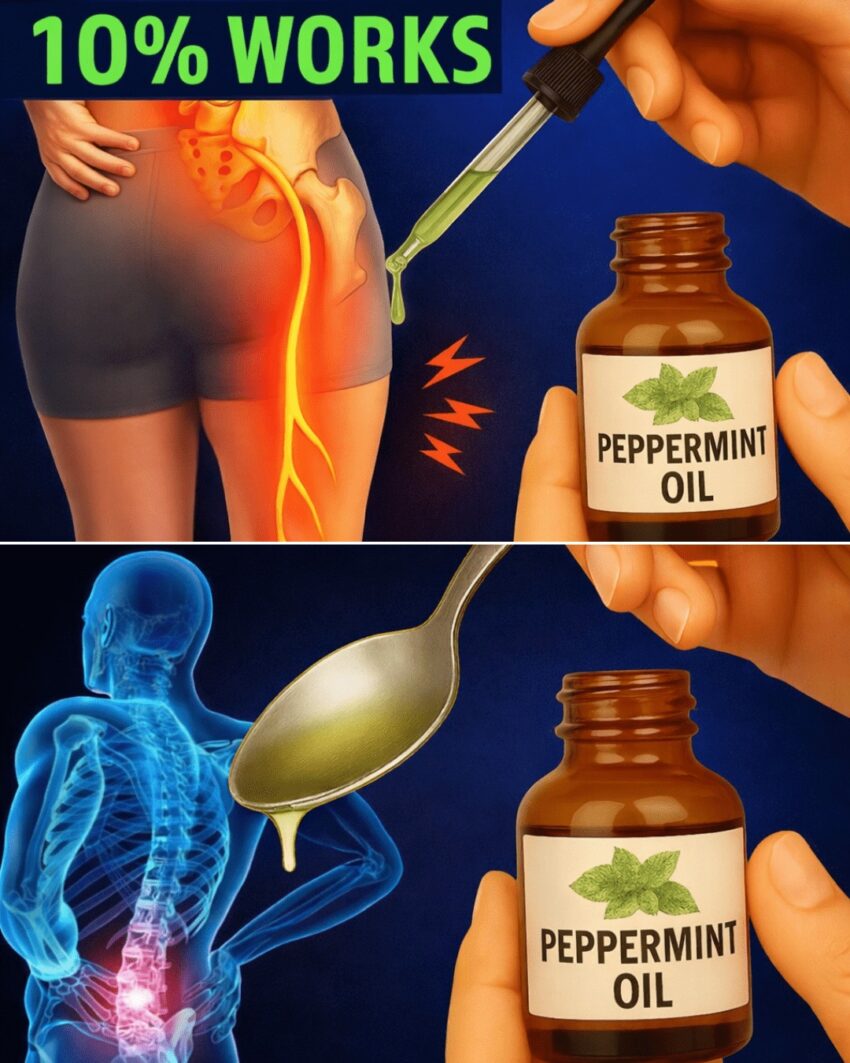
Here’s a detailed breakdown of peppermint oil, covering its composition, properties, uses, and safety considerations:
1. Source
- Peppermint oil is derived from Mentha × piperita, a hybrid of watermint and spearmint.
- The oil is typically obtained via steam distillation of the leaves and flowering tops.
2. Chemical Composition
The major active components include:
- Menthol (30–55%) – responsible for the cooling effect and soothing properties.
- Menthone (10–35%) – contributes to aroma and flavor.
- 1,8-Cineole – provides mild anti-inflammatory effects.
- Menthyl acetate – adds to fragrance and digestive benefits.
- Trace components: limonene, pulegone, and flavonoids.
3. Physical Properties
- Appearance: Pale yellow to greenish liquid
- Aroma: Strong, minty, fresh
- Solubility: Insoluble in water, soluble in alcohol and oils
- Density: ~0.9 g/mL
- Boiling point: 212–217 °C
4. Uses
A. Medicinal
- Digestive aid: Relieves indigestion, bloating, and IBS symptoms. Often used as enteric-coated capsules.
- Pain relief: Menthol acts as a topical analgesic for headaches, muscle pain, and joint discomfort.
- Respiratory support: Inhalation can relieve nasal congestion and mild sinus irritation.
- Antimicrobial: Effective against certain bacteria and fungi in lab studies.
B. Cosmetic & Personal Care
- Used in toothpaste, mouthwash, and lip balms for freshness.
- Found in shampoos, lotions, and soaps for cooling and aromatic effects.
C. Food & Flavoring
- Adds flavor to candies, gums, beverages, and desserts.
5. Application Methods
- Topical: Diluted in a carrier oil (e.g., coconut or jojoba oil). Avoid direct application to sensitive skin.
- Inhalation: Steam inhalation or aromatherapy diffusers.
- Oral: Enteric-coated capsules for digestive support; do not ingest undiluted oil.
6. Precautions
- Skin irritation: Can occur if applied undiluted.
- Allergic reactions: Rare, but possible.
- Not for infants: Can cause respiratory issues or toxicity.
- Drug interactions: May interact with antacids or medications metabolized in the liver.
- Pregnancy & breastfeeding: Use cautiously; consult a healthcare provider.
If you want, I can also make a table showing peppermint oil uses, dosage, and safety recommendations for easier reference. It’s especially handy for home or medicinal use. Do you want me to do that?
