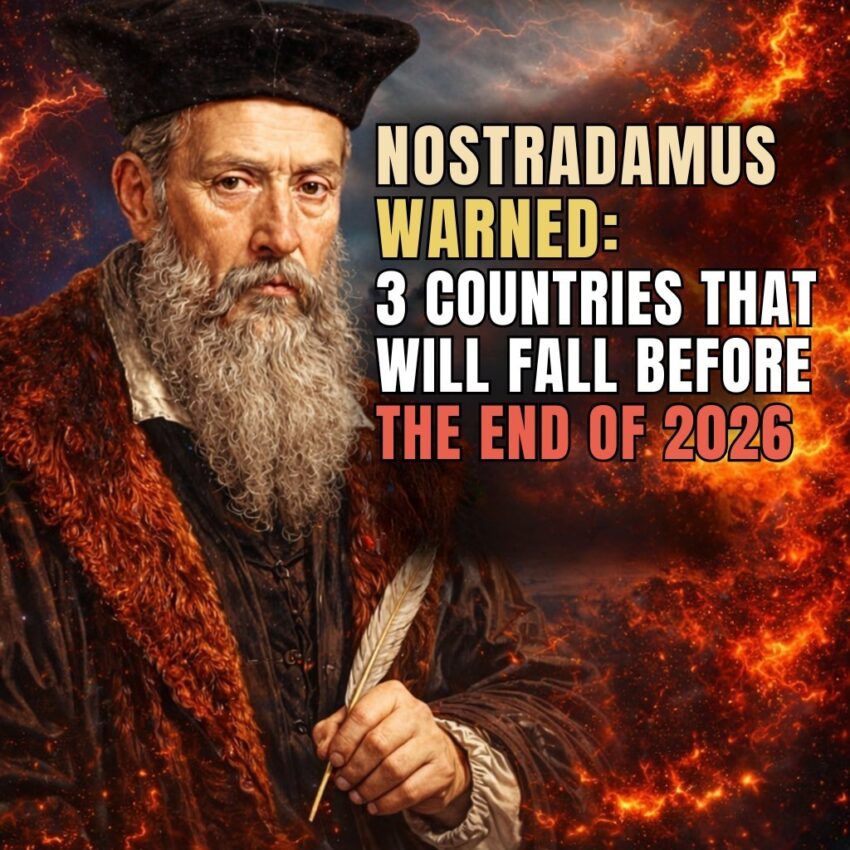
Here’s a detailed overview of Nostradamus:
🔮 Who Was Nostradamus?
- Full name: Michel de Nostredame
- Lifespan: 1503–1566
- Nationality: French
- Profession: Physician, astrologer, and reputed seer
- Famous For: Writing predictions about future events
📚 Works
- Les Prophéties (The Prophecies) – Published in 1555
- Collection of 942 poetic quatrains (four-line verses)
- Written in enigmatic, symbolic language
- Covers a wide range of topics: politics, natural disasters, wars, and social upheavals
🧠 Approach and Method
- Used astrology, historical trends, and visions to make predictions
- Many of his writings were ambiguous, allowing multiple interpretations
- Did not claim to predict specific dates; interpretations are often retroactive
🌍 Legacy
- Widely cited in popular culture for predictions of major events, e.g., wars, plagues, or disasters
- Skeptics argue that his quatrains are vague and open to interpretation
- Continues to fascinate historians, astrologers, and conspiracy theorists alike
⚠️ Important Notes
- Most claims of Nostradamus predicting specific modern events are retrospective interpretations
- His writings reflect 16th-century culture, fears, and beliefs rather than scientific prophecy
✅ Key Takeaway
Nostradamus is remembered as a historical figure who combined medicine, astrology, and poetry to write cryptic predictions.
- His quatrains continue to intrigue readers centuries later, but their accuracy is debated.
If you want, I can make a summary of the most famous Nostradamus predictions and explain how historians interpret them today.
