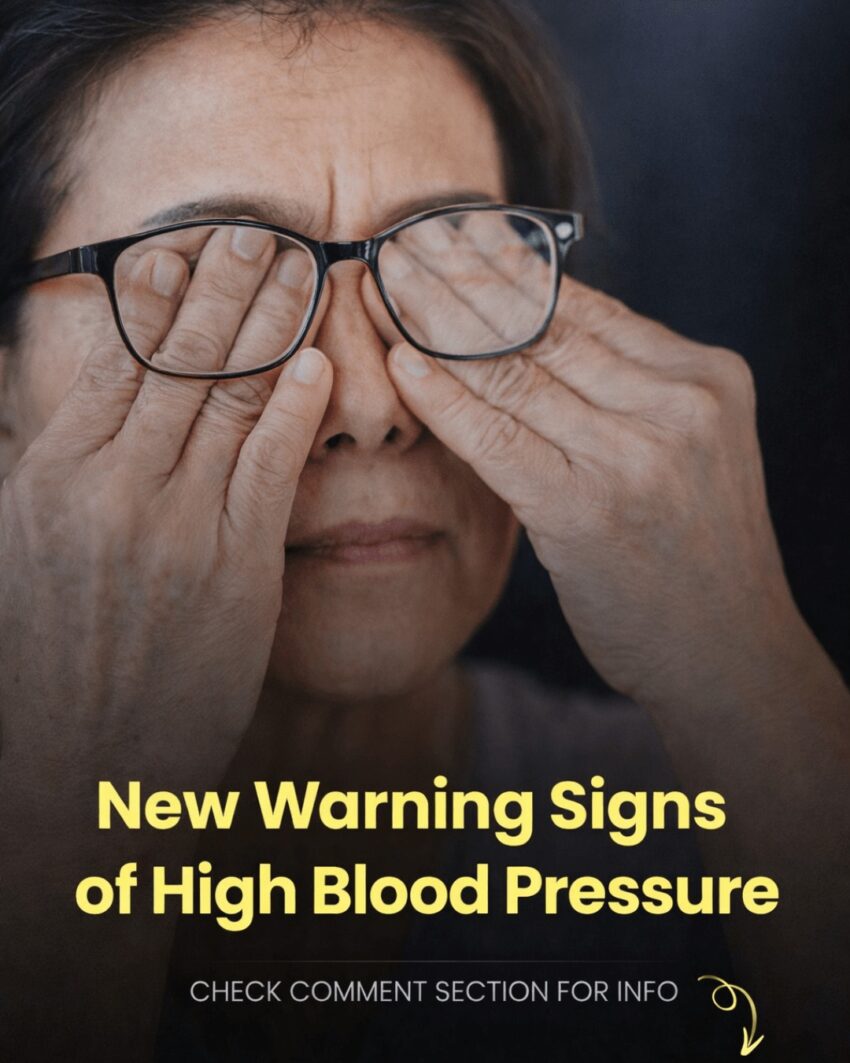
That “CHECK COMMENT SECTION FOR INFO” line is typical clickbait. High blood pressure doesn’t usually have reliable “new warning signs” you can see day-to-day—it’s often called the silent killer because most people feel nothing.
Here’s the real, medically accurate picture:
🚨 Can high blood pressure show warning signs?
Most of the time: no symptoms at all, even when it’s dangerously high.
But in severe or sudden spikes, some people may experience symptoms.
⚠️ Possible symptoms when blood pressure is very high
These are not specific (they can happen for many reasons), but may include:
- Severe headache
- Dizziness or lightheadedness
- Blurred vision
- Chest pain
- Shortness of breath
- Nosebleeds (rare and not reliable)
- Anxiety or feeling “unwell”
- Nausea or vomiting (in extreme cases)
If these occur with very high BP, it can indicate a medical emergency like a hypertensive crisis.
🧠 What actually matters more than symptoms
Doctors diagnose Hypertension using measurements, not feelings:
- Normal: ~120/80 mmHg
- High: ≥130/80 mmHg (depending on guideline)
- Dangerous: ≥180/120 mmHg
You can feel completely fine and still have damaging levels.
🩺 Long-term damage (the real danger)
Untreated high blood pressure slowly harms:
- Heart (heart attack, heart failure)
- Brain (stroke)
- Kidneys (kidney failure)
- Eyes (vision loss)
- Blood vessels (atherosclerosis)
🚫 Important reality check
Videos claiming “new warning signs” often:
- Mix unrelated symptoms (like fatigue, neck pain, anxiety)
- Try to scare viewers
- Don’t reflect clinical evidence
✅ What you should do instead
- Check BP regularly (home monitor or clinic)
- Reduce salt intake
- Exercise 150 min/week
- Maintain healthy weight
- Limit alcohol and smoking
- Take prescribed medication if needed
If you want, I can also explain how to know if your symptoms are from high BP or anxiety, dehydration, or something else, since those often get confused.
