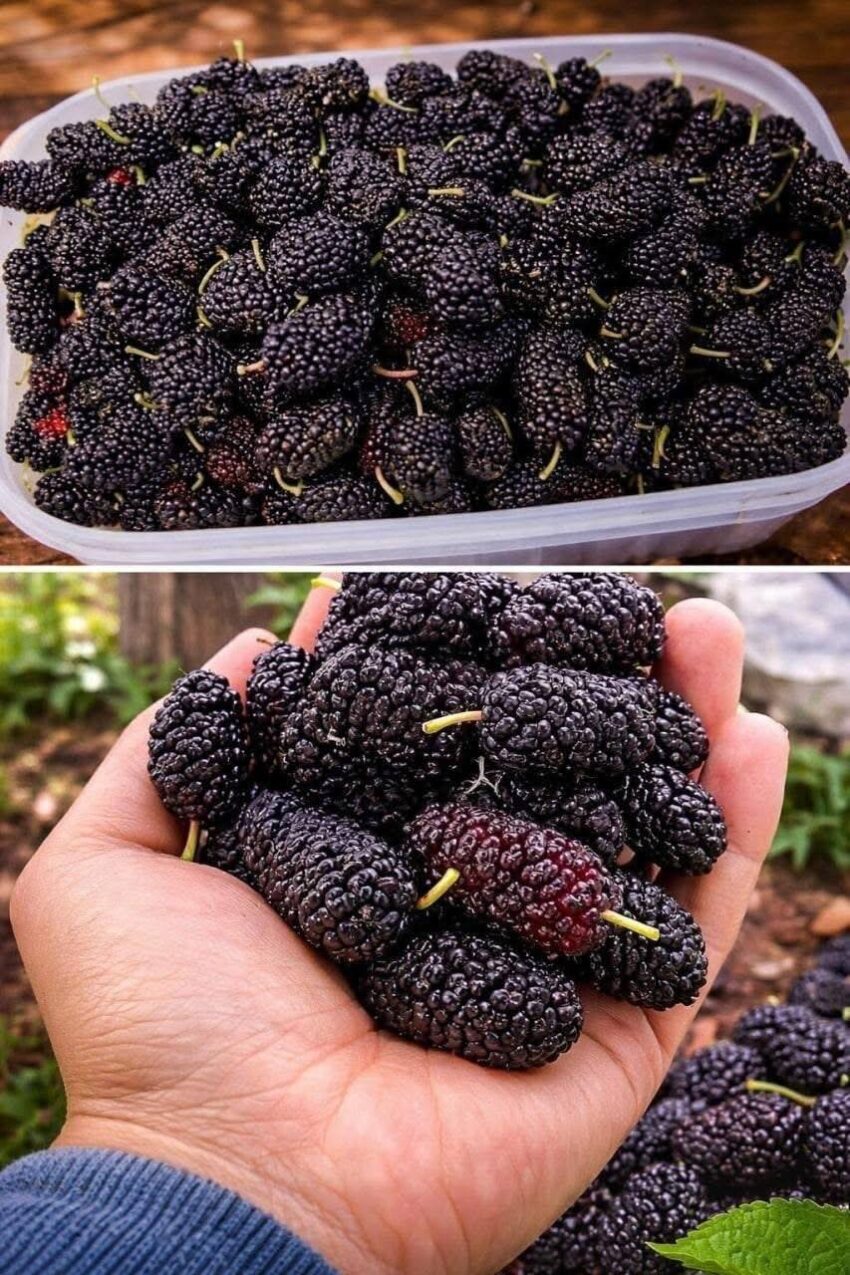
Morus alba is the white mulberry tree, a plant native to Asia that produces edible berries and leaves commonly used in traditional medicine and food.
What it is used for
1. Fruit (mulberries)
- Sweet berries eaten fresh or dried
- Used in jams, teas, and desserts
- Rich in antioxidants, vitamin C, and fiber
2. Leaves
- Used in herbal teas and traditional remedies
- Also used to feed silkworms (important in silk production)
Common health claims (and what science says)
People often claim it can help with:
- Blood sugar control
- Cholesterol reduction
- Anti-inflammatory effects
👉 Some early studies suggest possible mild benefits for blood sugar regulation, but evidence is not strong enough to treat diseases.
It is sometimes discussed in relation to Type 2 Diabetes, but it is not a treatment or cure.
Important reality check
- It is a nutritional/functional plant, not a medicine
- Effects are mild and vary from person to person
- It should not replace prescribed treatment
Bottom line
Morus alba (white mulberry) is a traditional herbal plant with potential supportive benefits, especially for nutrition and antioxidants—but it is not a proven cure for serious conditions.
If you want, I can tell you how mulberry leaf tea is actually used safely and what dosage ranges people typically use in studies.
