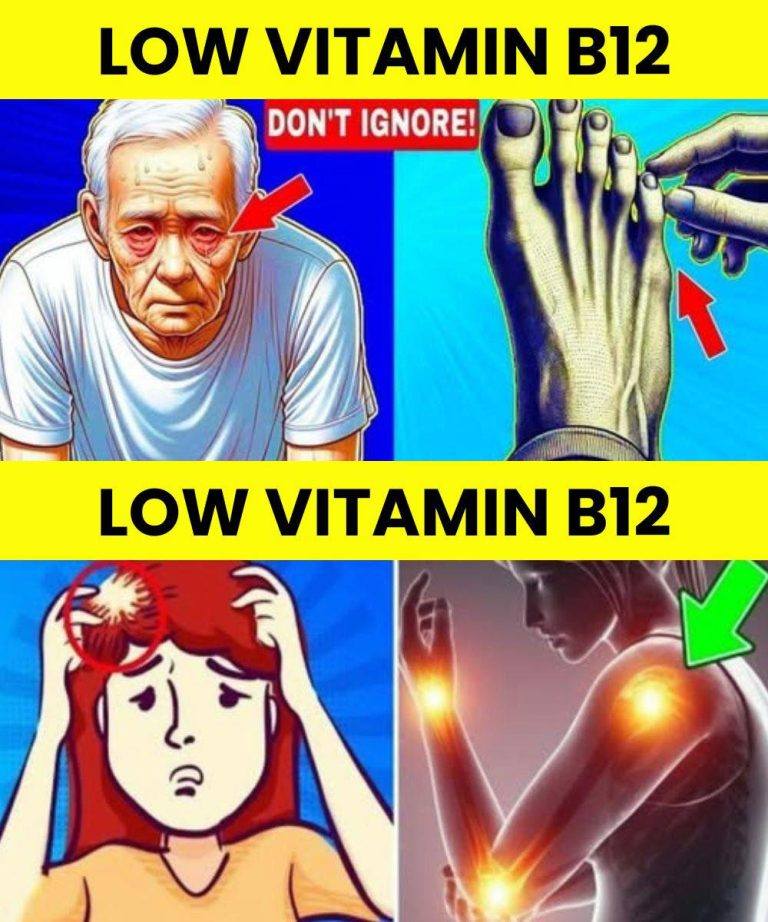
A Low Vitamin B12 (also called cobalamin deficiency) occurs when your body doesn’t get enough vitamin B12, which is essential for red blood cell formation, nerve function, and DNA synthesis. 🧠🩸
Causes
- Dietary deficiency: Common in strict vegetarians or vegans
- Poor absorption: Pernicious anemia, atrophic gastritis, celiac disease, Crohn’s disease
- Medications: Proton pump inhibitors, metformin, or long-term antacids
- Aging: Absorption decreases with age
Signs and Symptoms
Low B12 can develop slowly. Key signs include:
1. Fatigue and Weakness
- Feeling unusually tired despite adequate sleep
- Weakness or low energy levels
2. Numbness or Tingling
- “Pins and needles” in hands and feet
- Can indicate nerve damage
3. Cognitive Changes
- Memory problems
- Difficulty concentrating
- Mood changes like irritability or depression
4. Pale or Jaundiced Skin
- Lack of red blood cell production can make skin pale
- Breakdown of red blood cells may cause a slightly yellow tint
5. Glossitis and Mouth Symptoms
- Swollen, red, or painful tongue
- Mouth ulcers
6. Shortness of Breath & Dizziness
- From anemia caused by B12 deficiency
Diagnosis
- Blood tests: Serum B12, methylmalonic acid, homocysteine
- Complete blood count (CBC): May show macrocytic anemia
Treatment
- Dietary sources:
- Meat, Eggs, Dairy
- Fortified cereals or plant-based milks for vegetarians/vegans
- Supplements: Oral B12 tablets or sublingual drops
- Injections: For severe deficiency or absorption problems
💡 Tip: If you have fatigue, numbness, or mood changes, a simple blood test can determine if low B12 is the cause—early treatment prevents permanent nerve damage.
I can also provide a list of 10 B12-rich foods and easy daily intake tips to quickly improve levels naturally.
