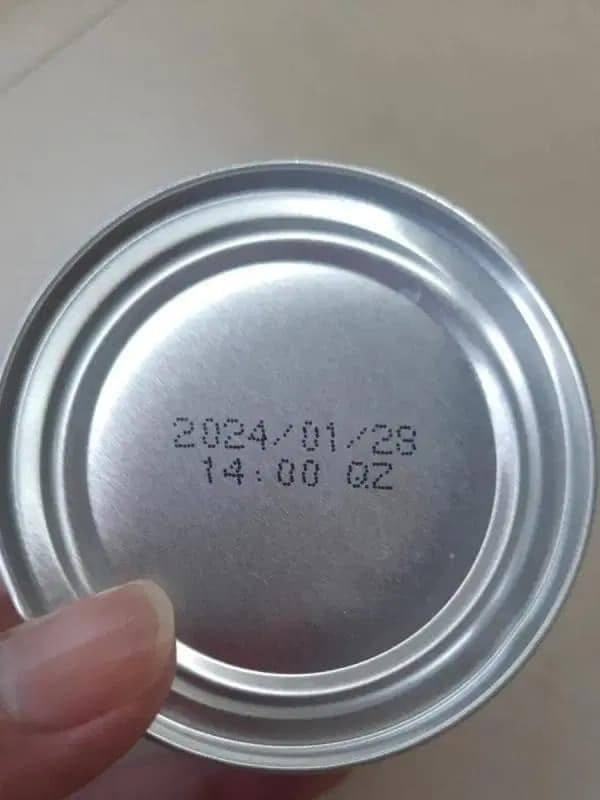
There isn’t one fixed answer—because “expired food” depends on the type of date, the food, and how it was stored.
First, it helps to understand labels:
- “Best before” → quality date (taste/texture), not safety
- “Use by” → safety date (important for perishable foods)
- “Sell by” → store reference, not for consumers
🥫 How long after expiry can food still be eaten?
1. Dry, shelf-stable foods (often safe after expiry)
Examples: rice, pasta, flour, canned goods
- Can last months to years past “best before” if sealed and dry
- Check for smell, mold, rust, or pests first
2. Canned food
- Often safe 1–5 years past date if the can is intact
- Throw away if bulging, leaking, or rusted
3. Dairy products
Examples: milk, yogurt, cheese
- Usually only safe a few days past “use by” (if refrigerated properly)
- High risk of spoilage bacteria
4. Meat, fish, poultry
- Should NOT be eaten after expiry
- Very high risk of food poisoning from bacteria like Salmonella or Listeria
5. Eggs
- Can sometimes last 1–3 weeks past date if refrigerated
- Simple test: float in water (bad eggs float)
6. Frozen foods
- Safe longer if constantly frozen
- Quality drops after a few months (freezer burn), but usually still safe
⚠️ Important warning signs (don’t eat it if you notice)
- Bad or sour smell
- Mold (even small spots)
- Slimy texture
- Bulging or leaking packaging
- Strange taste
🧠 Bottom line
- Dry/canned foods: often safe well past expiry
- Fresh foods (meat, dairy, cooked meals): strict limits
- When in doubt → throw it out
If you want, tell me a specific food item and I’ll tell you exactly how long it’s usually safe after expiry.
