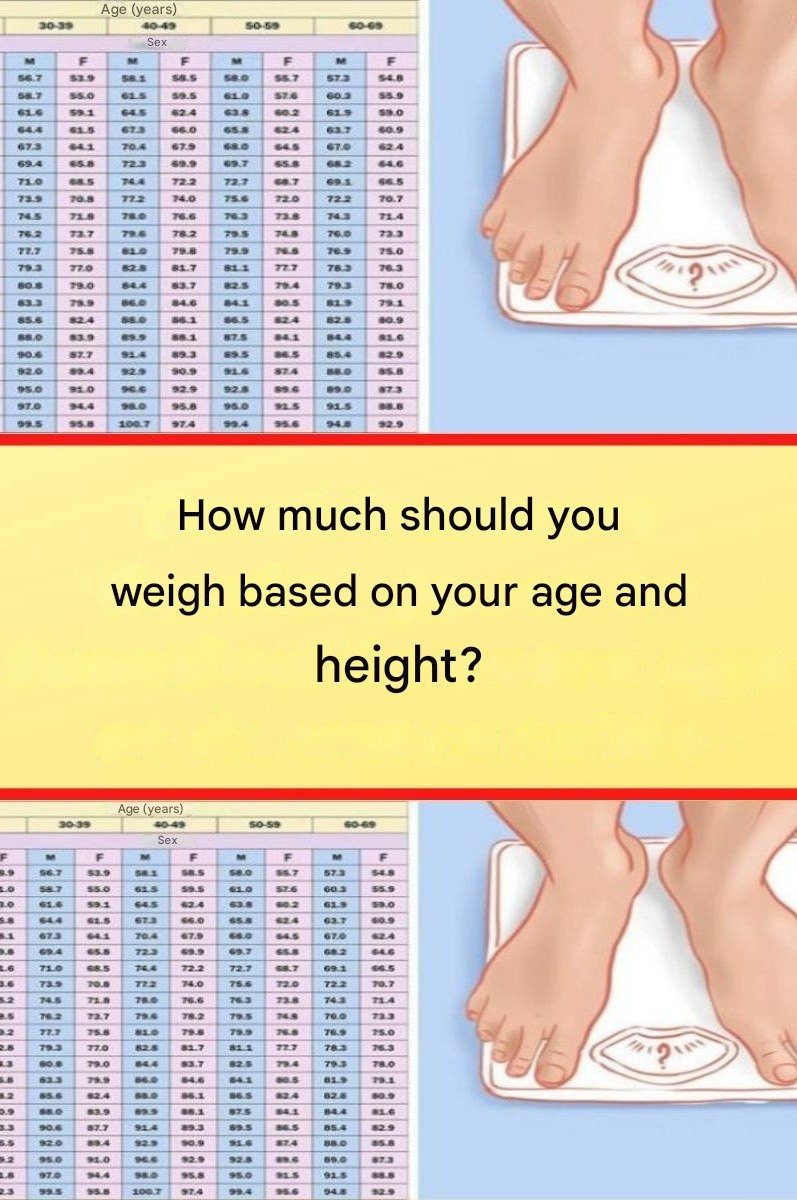
To determine your ideal weight, there are several commonly used methods that take into account your height, body composition, age, and sometimes sex. Here’s a clear guide:
1. Body Mass Index (BMI)
- Formula:
[
\text{BMI} = \frac{\text{Weight (kg)}}{\text{Height (m)}^2}
] - Interpretation (Adults):
BMI Category <18.5 Underweight 18.5–24.9 Normal weight 25–29.9 Overweight ≥30 Obesity
Example:
- Height = 1.70 m, Weight = 70 kg
- BMI = 70 ÷ (1.7²) = 70 ÷ 2.89 ≈ 24.2 → Normal weight
Pros: Simple and widely used
Cons: Doesn’t distinguish between muscle and fat
2. Waist-to-Height Ratio (WHtR)
- Formula: Waist circumference ÷ Height
- Guideline: Keep your waist less than half your height (<0.5) for lower health risk.
- More accurate for visceral fat and health risk than BMI alone.
3. Body Fat Percentage
- Ideal body fat varies by sex and age:
| Group | Healthy Range |
|---|---|
| Women | 21–33% |
| Men | 8–19% |
- Measured via calipers, bioelectrical impedance, or DEXA scans
- More accurate than BMI for athletes or muscular people
4. Ideal Weight Formulas
a. Devine Formula (for adults):
- Men: 50 kg + 2.3 kg per inch over 5 feet
- Women: 45.5 kg + 2.3 kg per inch over 5 feet
b. Hamwi Formula:
- Men: 48 kg + 2.7 kg per inch over 5 feet
- Women: 45.5 kg + 2.2 kg per inch over 5 feet
These give a general target weight range, not exact.
Practical Tip
- Combine BMI, waist ratio, and body fat for a more complete picture.
- Ideal weight isn’t just about aesthetics—it’s about health risk reduction (heart disease, diabetes, joint stress).
- Lifestyle matters: Diet, muscle mass, and activity level influence your ideal weight more than the number on the scale.
If you want, I can make a “Quick Ideal Weight Calculator” for you that gives:
- BMI range
- Waist-to-height ratio check
- Ideal weight by Devine or Hamwi formulas
It would give a personalized target range based on your height and sex.
Do you want me to do that?
