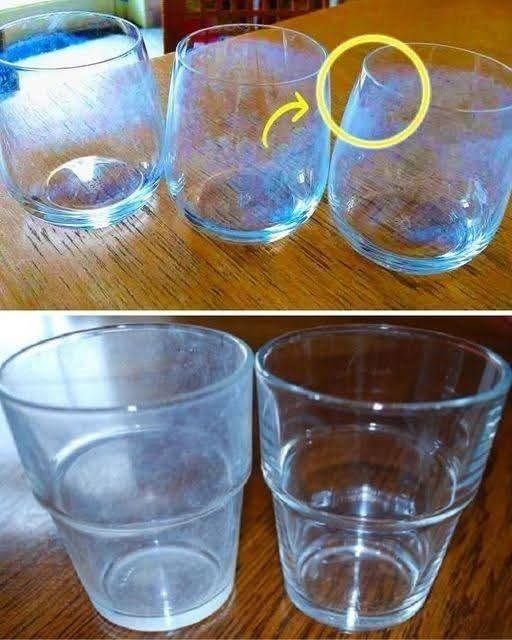
Glasses with a white patina usually refers to glassware that has developed a cloudy, whitish film over time. This is a common issue in drinking glasses, wine glasses, or even decorative glass items. Here’s a detailed explanation:
1. Why Glass Develops a White Patina
- Hard Water Deposits (Limescale)
- Calcium and magnesium in hard water can leave white spots or a cloudy film on glass.
- Soap Residue
- Incomplete rinsing after washing can leave a film that looks like a patina.
- Etching from Detergents
- Over time, harsh dishwasher detergents or frequent washing in high heat can microscopically etch the glass, leaving a permanent cloudy appearance.
2. How to Remove White Patina
- Vinegar Soak
- Soak glasses in a 1:1 solution of white vinegar and water for 15–30 minutes.
- Rinse with warm water and dry with a microfiber cloth.
- Baking Soda Paste
- Mix baking soda with water to make a paste.
- Rub gently with a soft cloth to remove stubborn spots.
- Lemon Juice
- Rub with lemon halves or juice to dissolve mineral deposits.
- Avoid Abrasive Scrubbers
- These can scratch the glass and worsen cloudiness.
3. Preventing Patina
- Use filtered or soft water if possible.
- Rinse thoroughly after washing.
- Avoid leaving glasses wet in dish racks—dry immediately.
- Use gentler detergents or hand wash delicate glassware.
Fun Fact: Some collectors actually like the “white patina” look on antique glasses because it adds character and vintage charm, but in most modern glassware it’s unwanted.
If you want, I can make a step-by-step “Restore Cloudy Glassware” guide with home remedies to make glasses sparkle like new—it works even on dishwasher-etched glass. Do you want me to do that?
