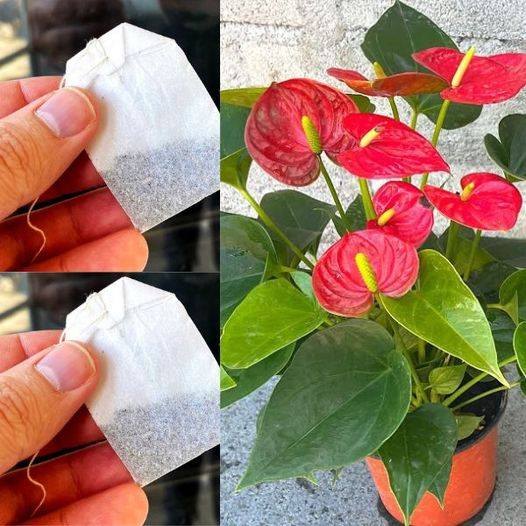
The flamingo flower, commonly known as the Anthurium, is a striking tropical plant celebrated for its glossy, heart-shaped leaves and vibrant, long-lasting flowers. Here’s a detailed breakdown:
Botanical Details
- Scientific Name: Anthurium andraeanum
- Family: Araceae (Arum family)
- Origin: Native to Central and South America, especially Colombia and Ecuador.
- Common Names: Flamingo flower, Laceleaf, Tailflower.
Appearance
- Leaves: Large, shiny, dark green, heart-shaped; can grow up to 12–18 inches long in mature plants.
- Flowers: The “flower” is actually a spathe (modified leaf) that surrounds a spadix (tiny true flowers on a spike).
- Spathes are typically red, pink, white, or even purple.
- Spadix is usually yellow or white.
- Height: Indoor varieties usually reach 1–3 feet; in tropical climates, some can grow taller.
Growing Conditions
- Light: Bright, indirect light; avoid direct sunlight which can scorch leaves.
- Watering: Keep soil consistently moist but not waterlogged; allow topsoil to dry slightly between waterings.
- Humidity: High humidity preferred (60–80%); misting can help indoors.
- Soil: Well-draining, rich organic mix; often an aroid mix with orchid bark, peat, and perlite.
- Temperature: Warm climates; ideally 65–80°F (18–27°C). Sensitive to cold below 50°F (10°C).
Care Notes
- Remove dead or yellowing leaves to encourage new growth.
- Fertilize monthly during growing season with a balanced houseplant fertilizer.
- Repot every 2–3 years to refresh soil and allow growth.
Interesting Facts
- Anthuriums are among the longest-lasting cut flowers, sometimes lasting 2–6 weeks.
- Symbolically, flamingo flowers represent hospitality, happiness, and abundance, likely due to their vibrant and welcoming appearance.
If you want, I can also give a step-by-step guide to making your flamingo flower bloom indoors—they can be a bit tricky to flower without the right conditions.
Do you want me to include that?
