“Floaters” are a real and common eye symptom—but headlines about them are often more dramatic than they need to be.
👁️ What are eye floaters?
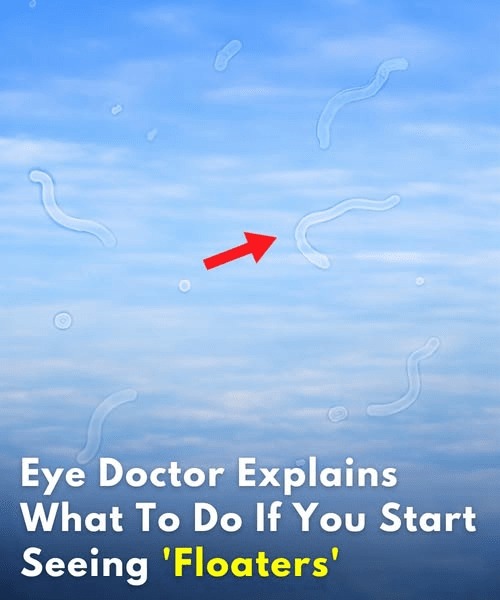
Eye floaters are tiny shapes you may see drifting across your vision, like:
- dots
- threads
- cobwebs
- squiggly lines
They are caused by tiny clumps in the gel inside your eye (the vitreous).
Medically, this is called Vitreous Floaters.
🧠 Why they happen
Most floaters are harmless and occur due to:
- 👵 Age-related changes in the eye’s gel
- 👓 Nearsightedness (myopia)
- 👁️ Natural shrinking of the vitreous gel
As we age, the gel inside the eye becomes more liquid and can form small clumps that cast shadows on the retina.
⚠️ When floaters are usually normal
- Small number of floaters
- They move when your eyes move
- They’ve been there for a long time
- No pain or vision loss
🚨 When you should see an eye doctor urgently
Floaters can sometimes signal a serious problem like retinal tearing.
Get checked immediately if you notice:
- ⚡ Sudden shower of new floaters
- 🌩️ Flashes of light
- 🕳️ A dark curtain or shadow in vision
- 👁️ Sudden loss of side vision
These could indicate Retinal Detachment, which needs urgent treatment.
👍 What doctors usually recommend
- Most floaters don’t need treatment
- The brain often learns to ignore them over time
- Severe cases may be treated with:
- laser therapy
- or rarely, surgery
🧠 Bottom line
Floaters are usually harmless and age-related—but a sudden change in floaters or flashes of light should be checked quickly.
If you want, I can explain how to tell normal floaters from dangerous ones in a simple checklist.
