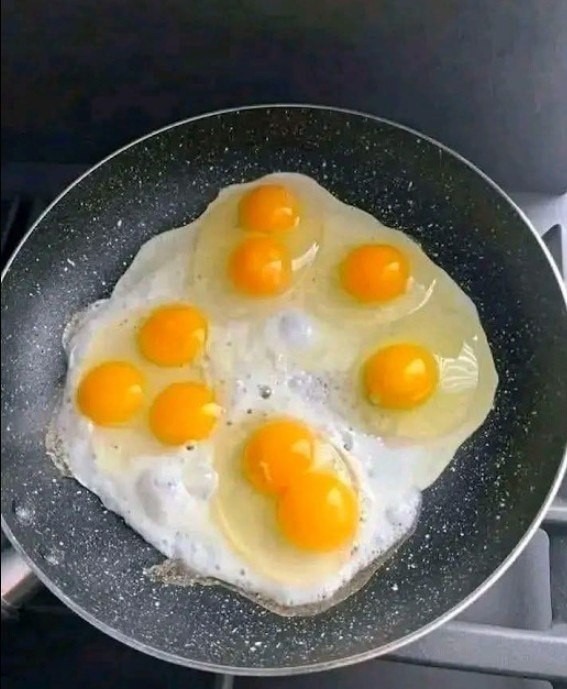
Here’s a detailed look at the egg yolk, its uses, nutrition, and tips 🥚💛:
1. What is an Egg Yolk?
- The yellow part of an egg, surrounded by the egg white (albumen).
- Contains most of the fat, cholesterol, and nutrients of the egg.
- Acts as an emulsifier in cooking and baking.
2. Nutritional Content (per large egg yolk)
- Calories: ~55 kcal
- Protein: ~2.7 g
- Fat: ~4.5 g
- Saturated fat: ~1.6 g
- Cholesterol: ~185 mg
- Vitamins & minerals:
- Vitamin A, D, E, K
- B vitamins (B12, riboflavin, folate)
- Iron, phosphorus, selenium, choline
3. Culinary Uses
A. Emulsifier
- Used in mayonnaise, hollandaise, aioli, and salad dressings to combine oil and water.
B. Baking & Custards
- Adds richness, color, and moisture to cakes, cookies, custards, and puddings.
C. Thickening Agent
- Thickens sauces, creams, and soups when gently heated.
D. Coating & Glazing
- Brush onto pastries, bread, or pies for a golden, shiny finish.
4. Storage & Safety
- Store refrigerated in a sealed container.
- Use within 2–4 days for best quality.
- Can be frozen, but may require mixing with a little salt or sugar to prevent texture changes.
- Cook thoroughly to avoid salmonella risk.
5. Health Notes
- Egg yolks are high in cholesterol, but moderate consumption is safe for most people.
- Rich in choline, which supports brain and liver health.
- Great source of fat-soluble vitamins often missing in other foods.
If you want, I can make a list of 10 easy recipes that use just egg yolks, perfect for custards, sauces, or desserts.
Do you want me to make that list?
