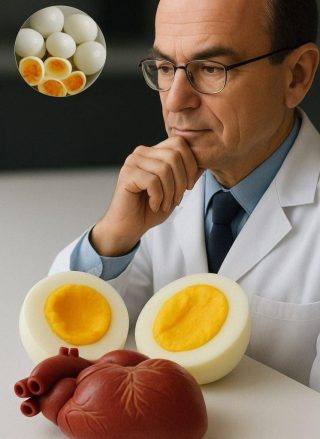
Here’s a detailed explanation of the relationship between egg yolks and heart health:
🥚 Egg Yolk – Nutritional Highlights
The egg yolk contains most of the egg’s nutrients:
- Cholesterol: ~186 mg per large yolk
- Fat: ~4–5 g (mostly healthy unsaturated fats)
- Vitamins: A, D, E, K, B12, folate
- Minerals: Selenium, phosphorus, choline
- Antioxidants: Lutein and zeaxanthin (eye protection)
❤️ Egg Yolks and Heart Health
1. Cholesterol Concerns
- Egg yolks are high in dietary cholesterol, which raised concerns in the past
- Recent studies show that for most healthy people, dietary cholesterol has a smaller impact on blood cholesterol than previously thought
- The body compensates by reducing its own cholesterol production when dietary intake increases
2. Heart Disease Risk
- For healthy adults, 1–2 eggs per day does not significantly increase heart disease risk
- People with existing diabetes or heart disease may need to monitor yolk intake more closely
- Focus is now on overall diet quality (saturated fat, fiber, vegetables, whole grains) rather than just egg yolks
3. Beneficial Nutrients
- Lutein and zeaxanthin reduce oxidative stress, which can protect arteries
- Choline helps reduce homocysteine levels, which are linked to heart disease
- Healthy fats in yolks can improve HDL (good cholesterol)
💡 Doctor Recommendations
- Moderation is key: 1–2 eggs per day is generally safe for healthy adults
- Combine with vegetables, whole grains, and lean protein for heart-friendly meals
- Avoid pairing with highly processed meats (bacon, sausage) which may increase cardiovascular risk
- Monitor blood cholesterol if you have family history of heart disease or diabetes
🧾 Quick Summary
| Aspect | Details |
|---|---|
| Cholesterol | ~186 mg per yolk; modest impact on most healthy people |
| Heart disease | 1–2 eggs/day usually safe; monitor if diabetic or high-risk |
| Nutrients | Choline, lutein, zeaxanthin, vitamins A, D, E, K |
| Recommendations | Moderate intake, balanced meals, avoid processed meat combos |
Bottom line: Egg yolks contain cholesterol but also heart-protective nutrients. For most healthy adults, eating eggs in moderation is safe and can even support overall nutrition and cardiovascular health.
I can also make a comparison chart of egg yolk vs egg white for heart health, showing cholesterol, protein, and nutrient differences. Do you want me to create that?
