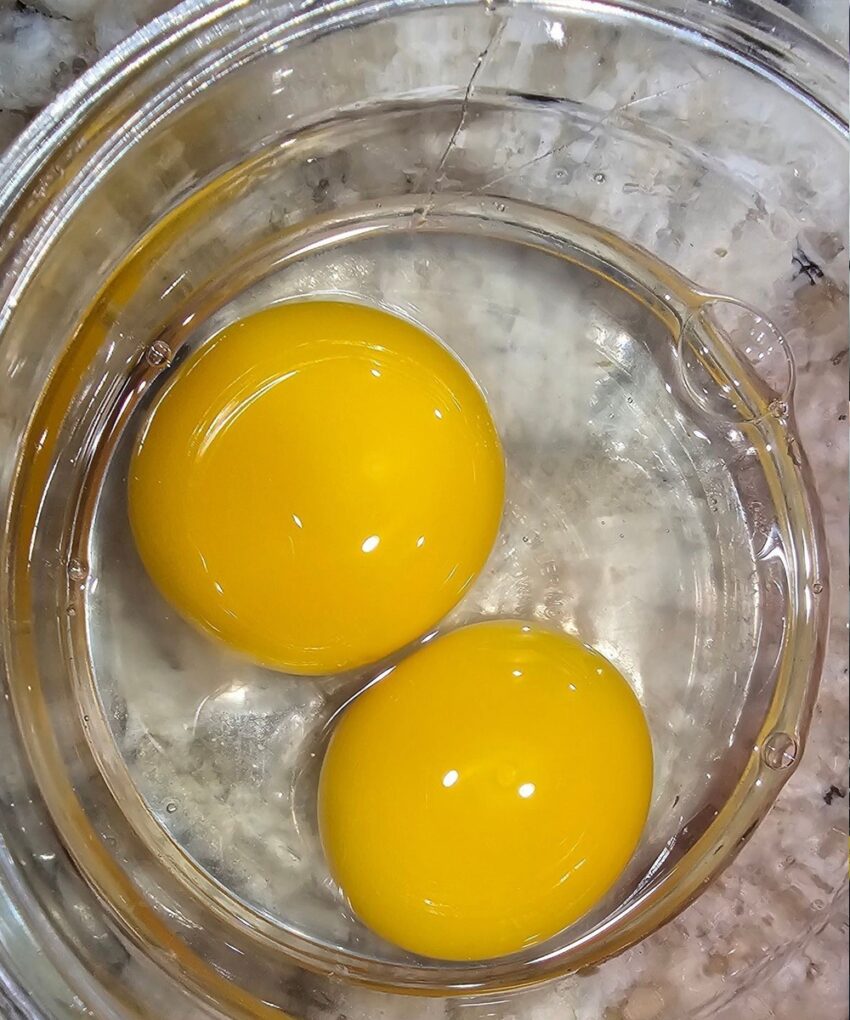
Here’s a detailed look at egg whites, their composition, benefits, uses, and precautions:
1. What Egg Whites Are
- Egg whites are the clear liquid portion of an egg, surrounding the yolk.
- They are almost pure protein and water, with very little fat or carbohydrates.
- Composition (per large egg, ~33 g egg white):
- Protein: ~3.6 g
- Carbohydrates: ~0.2 g
- Fat: ~0 g
- Calories: ~17 kcal
2. Key Proteins in Egg Whites
Egg whites contain several functional proteins:
- Ovalbumin (54%) – main protein, provides amino acids for muscle repair.
- Ovotransferrin (12%) – has antibacterial properties.
- Ovomucoid (11%) – can inhibit certain enzymes.
- Lysozyme (3.5%) – naturally antibacterial.
- Avidin – binds biotin (B7 vitamin), but only a concern if eaten raw in large amounts.
3. Health Benefits
A. Muscle Building & Repair
- High-quality complete protein, rich in essential amino acids.
- Low-calorie, low-fat source ideal for muscle gain or weight management.
B. Weight Management
- Protein promotes satiety, helping reduce overall calorie intake.
C. Heart Health
- Fat-free and cholesterol-free (unlike yolk), making it suitable for cholesterol-conscious diets.
D. Antimicrobial Effects
- Contains lysozyme and other proteins that inhibit bacterial growth.
4. Culinary Uses
- Whipped for meringues, soufflés, and angel food cakes.
- Added to smoothies, omelets, and baked goods for extra protein.
- Can be cooked, baked, or used in raw recipes (with caution).
5. Precautions
- Raw egg whites contain avidin, which can reduce biotin absorption—rarely a problem in normal diets.
- Allergies: Some people are allergic to egg whites.
- Proper cooking kills bacteria like Salmonella.
If you want, I can also make a comparison of egg whites vs whole eggs in terms of nutrition, muscle-building, and health benefits, which is useful if you’re trying to decide which to eat regularly.
Do you want me to do that?
