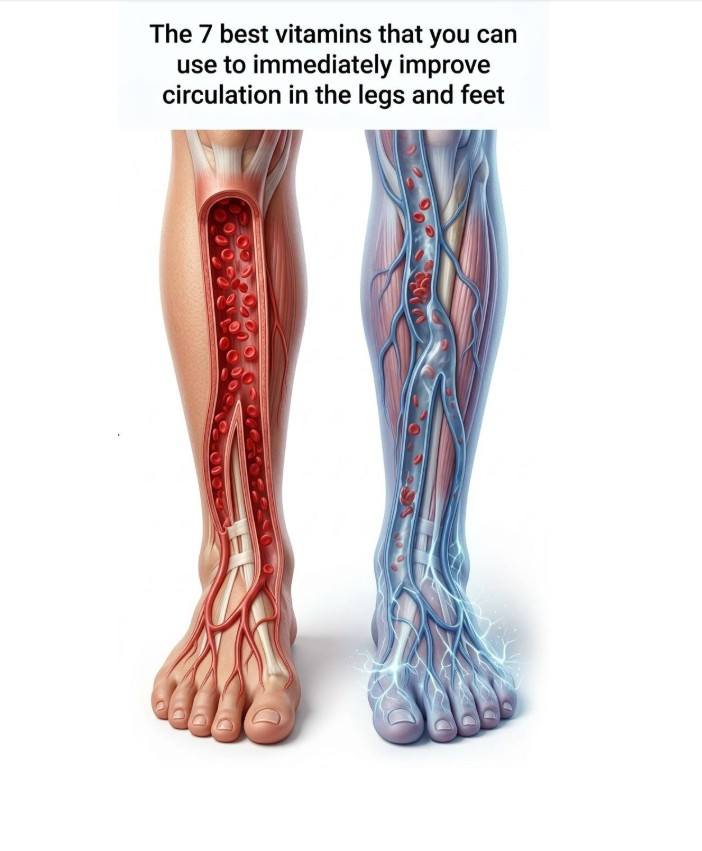
Here’s a detailed overview of Deep Vein Thrombosis (DVT) including its symptoms, signs, and treatment:
1. What is DVT?
Deep Vein Thrombosis (DVT) is a condition where a blood clot (thrombus) forms in a deep vein, usually in the legs or pelvis. These clots can partially or completely block blood flow, leading to swelling, pain, and potentially serious complications such as pulmonary embolism (PE) if the clot travels to the lungs.
2. Causes and Risk Factors
DVT often occurs due to one or more components of Virchow’s triad:
- Venous stasis – slow or stagnant blood flow (e.g., prolonged bed rest, long flights, paralysis).
- Endothelial injury – damage to the blood vessel wall (e.g., surgery, trauma, catheter placement).
- Hypercoagulability – increased tendency of blood to clot (e.g., genetic disorders, cancer, pregnancy, hormone therapy).
Other risk factors:
- Age >60 years
- Obesity
- Smoking
- Previous DVT or PE
- Major surgery, especially orthopedic procedures
- Certain medications (e.g., oral contraceptives)
3. Signs and Symptoms
DVT can be asymptomatic in some cases, but typical signs include:
Local Signs in the Leg
- Swelling – usually unilateral, often in the calf or thigh
- Pain or tenderness – often described as a cramp or soreness
- Warmth – skin over the affected area may feel warmer
- Redness or discoloration – sometimes bluish or reddish hue
Physical Examination Findings
- Homan’s sign: pain in the calf on dorsiflexion of the foot (not very specific or reliable)
- Edema: unilateral leg swelling measured by circumference
- Tenderness along the deep veins (e.g., femoral or popliteal vein)
Important: Symptoms can overlap with other conditions like cellulitis, muscle strain, or chronic venous insufficiency, so clinical suspicion is key.
4. Diagnosis
Diagnosis is usually made using a combination of:
- Clinical assessment
- Wells score for DVT risk
- Imaging
- Duplex ultrasonography – first-line, non-invasive
- Venography – rarely used, invasive
- CT or MRI venography – in complex cases
- Laboratory tests
- D-dimer – elevated levels suggest clot formation, but not specific
5. Treatment
A. Anticoagulation (Mainstay)
Prevents clot extension and reduces risk of PE.
- Initial therapy
- Low molecular weight heparin (LMWH) (e.g., enoxaparin)
- Unfractionated heparin (UFH) in renal failure or high-risk cases
- Oral anticoagulants
- Vitamin K antagonists (warfarin) – require INR monitoring
- Direct oral anticoagulants (DOACs) – apixaban, rivaroxaban, dabigatran
Duration:
- 3 months for provoked DVT
- 6–12 months or lifelong for unprovoked or recurrent DVT
B. Thrombolysis
- For massive DVT causing limb ischemia or phlegmasia cerulea dolens
- Drugs like alteplase dissolve the clot
C. Mechanical Interventions
- Inferior vena cava (IVC) filter – for patients who cannot receive anticoagulation
- Compression stockings – reduce post-thrombotic syndrome risk
D. Supportive Measures
- Elevate affected limb
- Encourage mobility as tolerated
- Avoid prolonged immobilization
6. Complications
- Pulmonary embolism (PE) – life-threatening
- Post-thrombotic syndrome – chronic swelling, pain, skin changes
- Recurrent DVT
Key Points
- DVT can be silent; high clinical suspicion is essential.
- Early anticoagulation reduces complications significantly.
- Prevention in high-risk individuals (e.g., surgery, immobility) is crucial.
If you want, I can also make a table that summarizes DVT symptoms, signs, and treatments for quick reference—it’s very handy for clinical review.
Do you want me to create that table?
