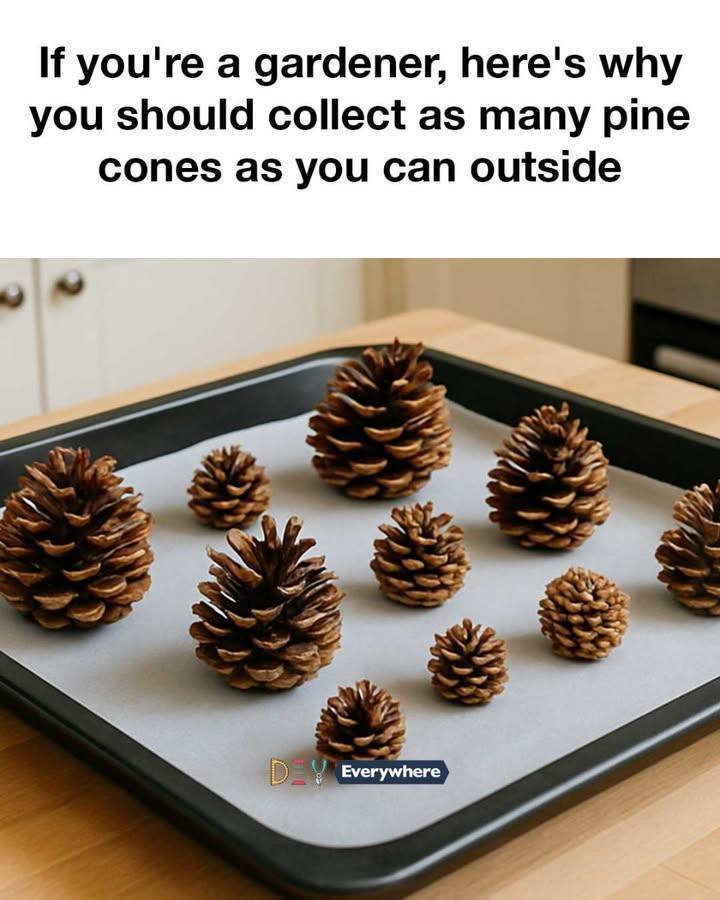
🌲 Conifer Cone
Conifer cone is the reproductive structure of conifer trees (like pines, spruces, and firs) that produces seeds. Cones can be either male (pollen-producing) or female (seed-bearing), and they play a crucial role in the life cycle of conifers.
🔹 Types of Cones
- Male Cones (Pollen Cones)
- Usually smaller and softer
- Produce pollen for fertilizing female cones
- Often appear in clusters and fall off after releasing pollen
- Female Cones (Seed Cones)
- Larger, woody, and durable
- Contain ovules that develop into seeds after pollination
- Often remain on the tree for months or years until seeds mature
🔹 Structure
- Scales: Overlapping plates that protect seeds inside
- Seed wings: Some seeds have thin wings for wind dispersal
- Axis (central stem): Holds the scales together
- Resin: Many cones produce sticky resin that protects seeds from insects and fungi
⚙️ Functions
- Reproduction: House and protect seeds until they’re ready to disperse
- Seed dispersal: Wind, animals, or fire can help release seeds
- Protection: Tough scales and resin deter predators and disease
💡 Fun Facts
- Some species, like the lodgepole pine, have serotinous cones that only open after fire.
- Conifer cones are used in crafts, decoration, and even natural bird feeders.
- Male cones are usually short-lived, while female cones can persist for years.
I can also make a diagram showing the parts of a conifer cone with male vs. female structures for a clear visual understanding.
Do you want me to do that?
