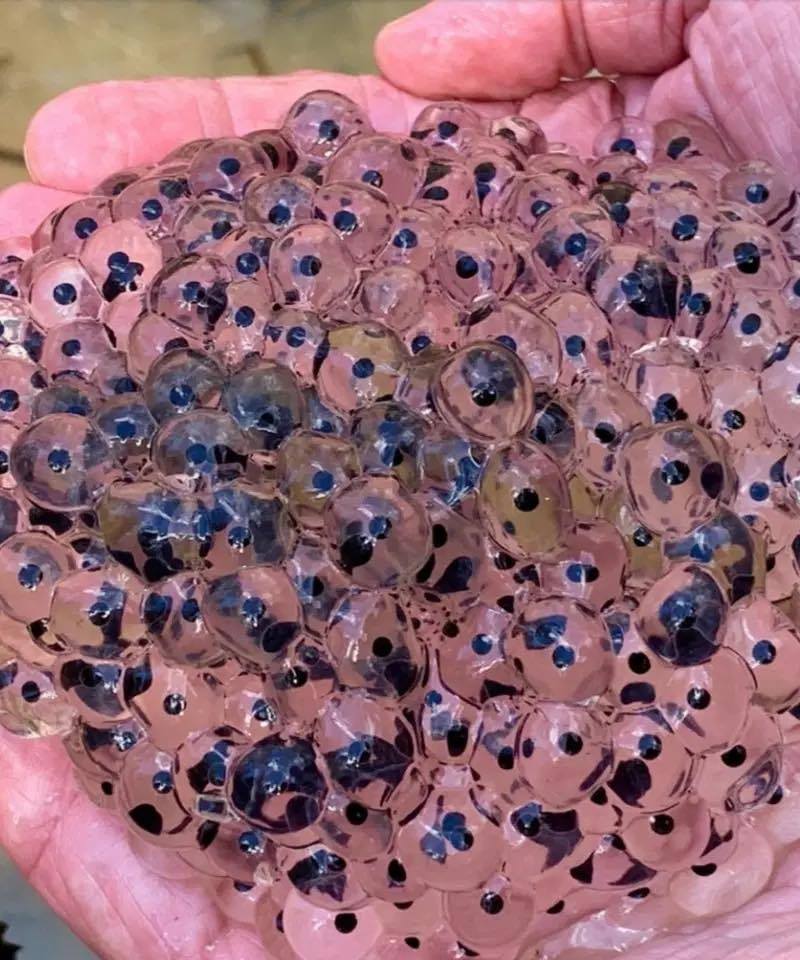
The common frog is a widespread amphibian known scientifically as Rana temporaria. Here’s a detailed overview:
Description
- Usually brown, olive, or grey with dark patches; some individuals have a greenish hue.
- Smooth skin and a relatively short snout.
- Adults are typically 6–9 cm in length.
Habitat
- Found across much of Europe and parts of Asia.
- Prefers damp environments such as ponds, marshes, and damp woodlands.
- Can survive in gardens and urban areas if water bodies are present.
Life Cycle
- Breeding: Occurs in early spring; females lay clumps of jelly-coated eggs in water.
- Tadpoles: Hatch in 2–3 weeks, fully aquatic at first.
- Metamorphosis: Tadpoles develop legs, lose their tails, and emerge as juvenile frogs.
- Adult: Can live up to 10 years in the wild.
Diet
- Mostly insects, slugs, worms, and small invertebrates.
- Tadpoles feed on algae and plant material before turning carnivorous.
Behavior
- Hibernates during winter, burrowing into soil or leaf litter.
- Active mainly at night (nocturnal), especially in warm, damp conditions.
Conservation
- Generally common and not currently endangered.
- Threats include habitat destruction, pollution, and road traffic during migration periods.
If you want, I can also provide a quick visual guide to distinguish the common frog from similar species in Europe. Do you want me to do that?
