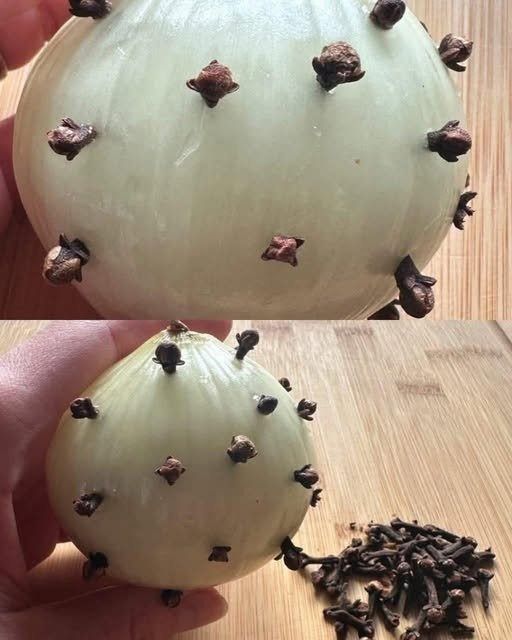
Clove (also called laung) is a dried flower bud used as a spice and traditional remedy. It has a very strong aroma and contains a compound called eugenol, which gives it many of its effects.
🌿 Common uses
🍳 In food
- Flavoring for rice dishes, curries, and biryani
- Used in tea (chai)
- Added to desserts and spice blends
🩺 Traditional & practical uses
1. Toothache relief
Clove oil can temporarily numb pain due to its natural anesthetic effect.
2. Digestion support
May help reduce gas and bloating in small amounts.
3. Antimicrobial properties
Has mild antibacterial effects.
4. Breath freshener
Chewing one clove can help with bad breath.
⚠️ Important cautions
- Very strong—use in small amounts only
- Clove oil can irritate skin or gums if used directly
- Excess consumption may cause:
- stomach irritation
- liver stress (in very high amounts)
🧠 About viral claims
You may see posts saying cloves:
- cure multiple diseases
- burn fat
- fix hormones instantly
👉 These are exaggerated or false. Clove can support health, but it’s not a cure-all.
✔️ Safe daily use
- 1–2 whole cloves in tea or food is generally safe for most people
- Use clove oil only in very diluted form
If you want, I can share:
- a simple clove tea recipe for digestion
- or what cloves actually do for teeth, immunity, and sleep (fact vs myth)
