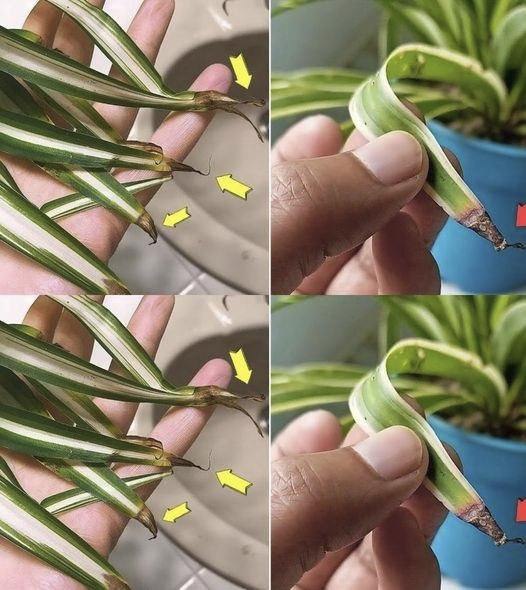
Chlorophytum comosum, commonly known as the spider plant, is a popular houseplant known for its air-purifying abilities and ease of care. 🌱
Here’s a detailed look:
Botanical Info
- Family: Asparagaceae
- Common Names: Spider plant, airplane plant, ribbon plant
- Origin: Southern Africa
- Appearance:
- Long, narrow, arching leaves, often variegated (green with white stripes)
- Produces small white flowers and plantlets (baby “spiders”) that dangle from stems
Care & Growing Tips
- Light: Prefers bright, indirect sunlight; can tolerate lower light
- Water: Keep soil moderately moist; avoid waterlogging
- Soil: Well-draining potting mix
- Temperature: Ideal 18–24°C (65–75°F); avoid frost
- Propagation: Easy from plantlets—just place in soil or water to root
Health & Environmental Benefits
- Air purification: Removes pollutants like formaldehyde, xylene, and carbon monoxide from indoor air
- Non-toxic: Safe for pets and children, unlike many other houseplants
- Mental health boost: Caring for greenery can reduce stress and improve mood
Fun Facts
- Named “spider plant” because its plantlets resemble tiny spiders hanging down
- Can thrive in hanging baskets, making it decorative as well as functional
- Very resilient; can survive occasional neglect
💡 Tip:
Trim brown leaf tips and propagate plantlets to keep your spider plant healthy and multiplying.
If you want, I can make a quick guide to 5 creative ways to use spider plants indoors for decoration and air purification.
Do you want me to do that?
