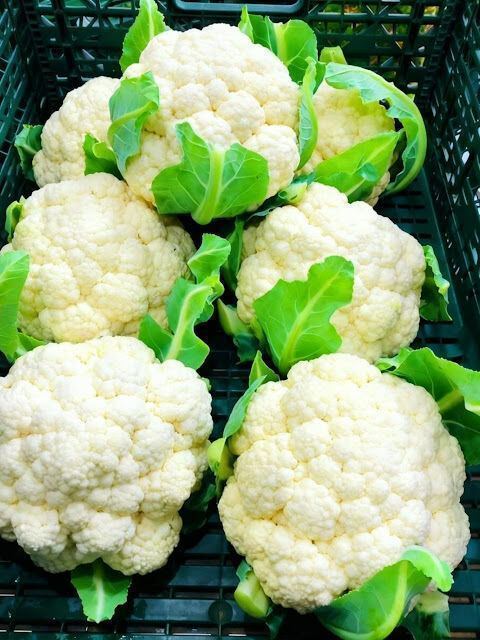
🥦 Cauliflower – Complete Guide
Cauliflower is a highly nutritious vegetable from the cruciferous family (same as broccoli and cabbage). It’s versatile, low in calories, and packed with health benefits.
🌱 Basic Information
- Scientific name: Brassica oleracea var. botrytis
- Color: Usually white, but also comes in green, purple, and orange varieties
- Taste: Mild, slightly nutty
🥗 Nutritional Value (per 100g)
- Calories: ~25
- Vitamin C: High
- Fiber: Good amount
- Folate (Vitamin B9): Present
- Potassium: Moderate
💪 Health Benefits
1. Supports Heart Health
- Contains antioxidants and fiber
- May help reduce risk of Heart disease
2. Aids Digestion
- High in fiber, supports gut health
- Helps prevent constipation
3. Helps with Weight Loss
- Low calorie but filling
- Great substitute for rice or potatoes
4. Rich in Antioxidants
- Contains compounds that may reduce inflammation
- May lower risk of chronic diseases like Cancer
5. Brain Health
- Contains choline, important for memory and learning
🍳 Common Uses
- Stir-fries
- Curries (very popular in South Asia)
- Roasted cauliflower
- Cauliflower rice (low-carb option)
- Soups and salads
⚠️ Possible Side Effects
- May cause gas or bloating in some people
- Contains compounds that can affect thyroid if eaten in very large amounts (especially raw)
👨🍳 Simple Cooking Idea
Quick Roasted Cauliflower:
- Toss florets with oil, salt, and spices
- Roast at 200°C (400°F) for 20–25 minutes
- Crispy and delicious
✅ Key Takeaway
Cauliflower is a low-calorie, nutrient-rich vegetable that supports digestion, heart health, and overall wellness—easy to include in many dishes.
If you want, I can share a very tasty Pakistani-style cauliflower (gobi) recipe or a diet plan using cauliflower for weight loss.
