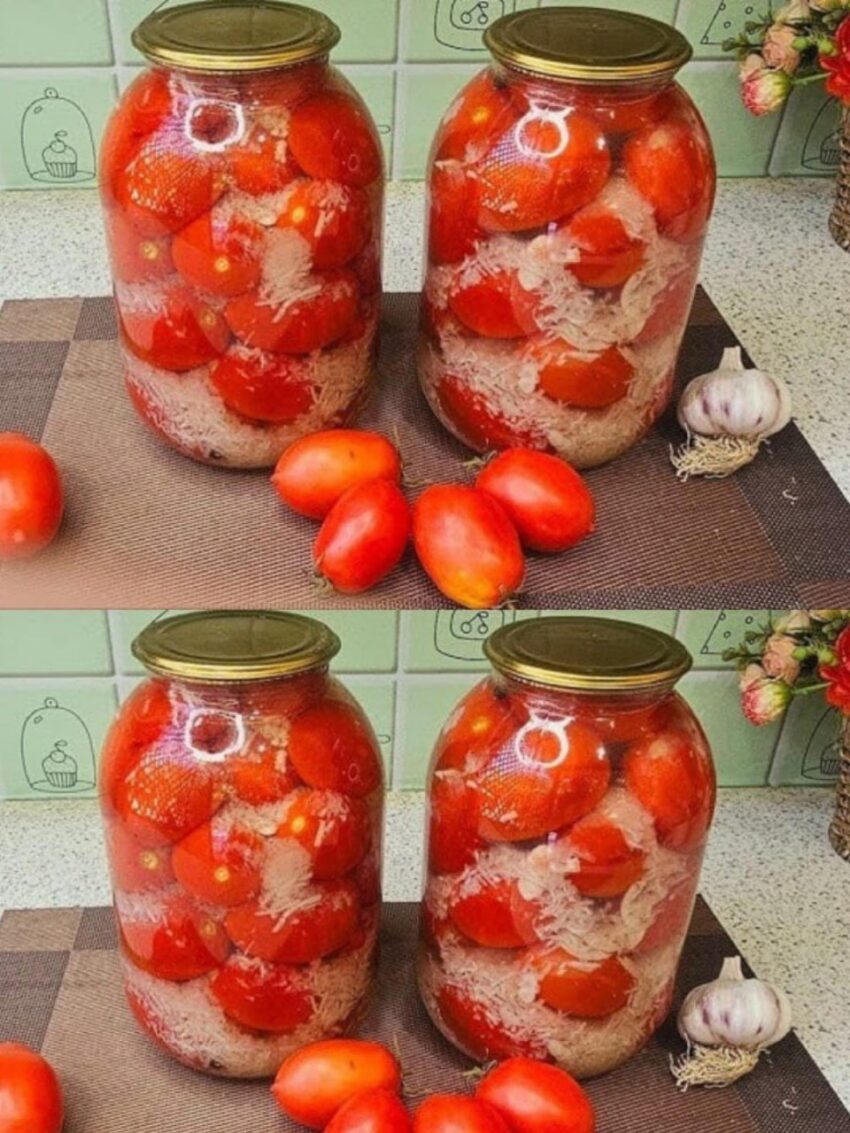
Canned tomatoes are a kitchen staple—convenient, affordable, and often just as nutritious (or even more so) than fresh tomatoes, especially when tomatoes aren’t in season.
Types of Canned Tomatoes
- Whole peeled tomatoes: Best for sauces you want to control (you can crush them yourself).
- Diced tomatoes: Pre-cut, great for soups, stews, and quick recipes.
- Crushed tomatoes: Smooth with some texture—ideal for pasta sauces.
- Tomato paste: Very thick and concentrated; adds deep flavor.
- Tomato sauce: Fully cooked and smooth, often lightly seasoned.
Benefits
- Rich in nutrients: High in vitamin C, potassium, and lycopene (a powerful antioxidant).
- Long shelf life: Can last 1–2 years unopened.
- Consistent flavor: Harvested and canned at peak ripeness.
How to Use Them
- Pasta sauces: Combine with garlic, olive oil, and herbs.
- Curries: Great base for many dishes.
- Soups & stews: Add depth and richness.
- Shakshuka or eggs: Simmer with spices and crack eggs into the sauce.
Tips for Choosing
- Look for “no added salt” or low sodium options if you want control over seasoning.
- Choose cans labeled BPA-free when possible.
- San Marzano-style tomatoes are known for their sweetness and low acidity (great for sauces).
Storage Tips
- After opening, transfer leftovers to a glass or plastic container (not the can) and refrigerate.
- Use within 3–5 days, or freeze for longer storage.
💡 Quick hack: Add a pinch of sugar or grated carrot if your tomato dish tastes too acidic—it balances the flavor naturally.
If you want, I can share a 5-minute homemade pasta sauce using canned tomatoes that tastes restaurant-quality.
