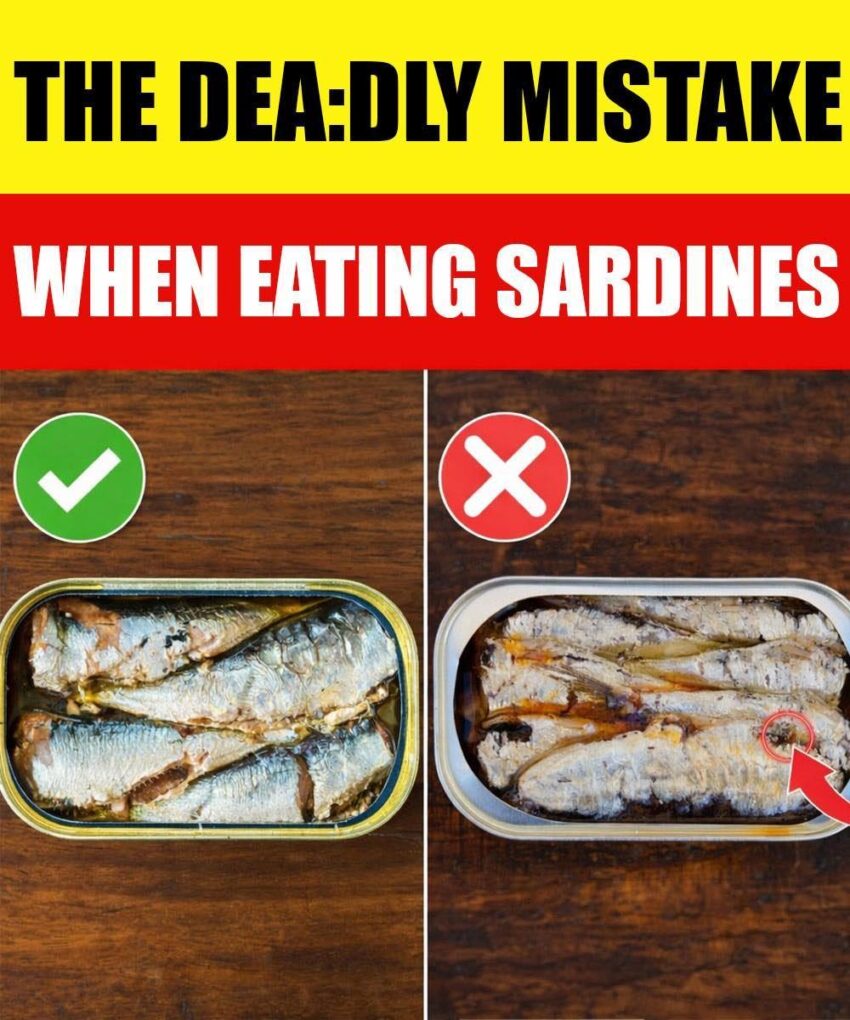
Canned sardines are a small but nutrient-packed fish that are both convenient and incredibly healthy. Here’s a detailed breakdown:
About Canned Sardines
- Scientific Name: Sardina pilchardus (common variety)
- Type: Small oily fish, usually canned in oil, water, or tomato sauce
- Origin: Popular worldwide, particularly in Mediterranean and Atlantic regions
- Flavor & Texture: Rich, savory, slightly oily; soft bones are edible
Nutritional Benefits
- Protein: Excellent source of high-quality protein for muscle repair and satiety.
- Omega-3 Fatty Acids: Supports heart health, reduces inflammation, and improves brain function.
- Vitamins: Rich in vitamin B12, vitamin D, and niacin.
- Minerals: High in calcium (bones included), phosphorus, and selenium.
- Low Mercury: Because they are small fish, sardines are lower in mercury compared to larger fish like tuna.
Health Benefits
- Heart Health: Omega-3s help reduce triglycerides, lower blood pressure, and prevent heart disease.
- Bone Health: Edible bones provide calcium and vitamin D, strengthening bones.
- Brain Health: DHA, an omega-3 fatty acid in sardines, supports cognitive function.
- Weight Management: High protein and healthy fats promote fullness.
- Anti-Inflammatory: Omega-3s help fight inflammation in joints and blood vessels.
Ways to Eat Canned Sardines
- On Toast: Mash sardines with avocado or cream cheese.
- In Salads: Mix with greens, tomatoes, onions, and olive oil.
- Pasta or Rice: Stir into hot pasta with olive oil, garlic, and lemon.
- Snack Straight from the Can: Pair with crackers or cucumber slices.
- Mediterranean Style: Combine with olives, capers, and cherry tomatoes.
💡 Tip: If you want a healthier option, choose sardines packed in water or olive oil rather than soybean or sunflower oil.
If you want, I can give a quick 5-minute recipe using canned sardines that’s heart-healthy, anti-inflammatory, and great for circulation and cholesterol.
Do you want me to share that?
