🩺 Blood Pressure Measurement
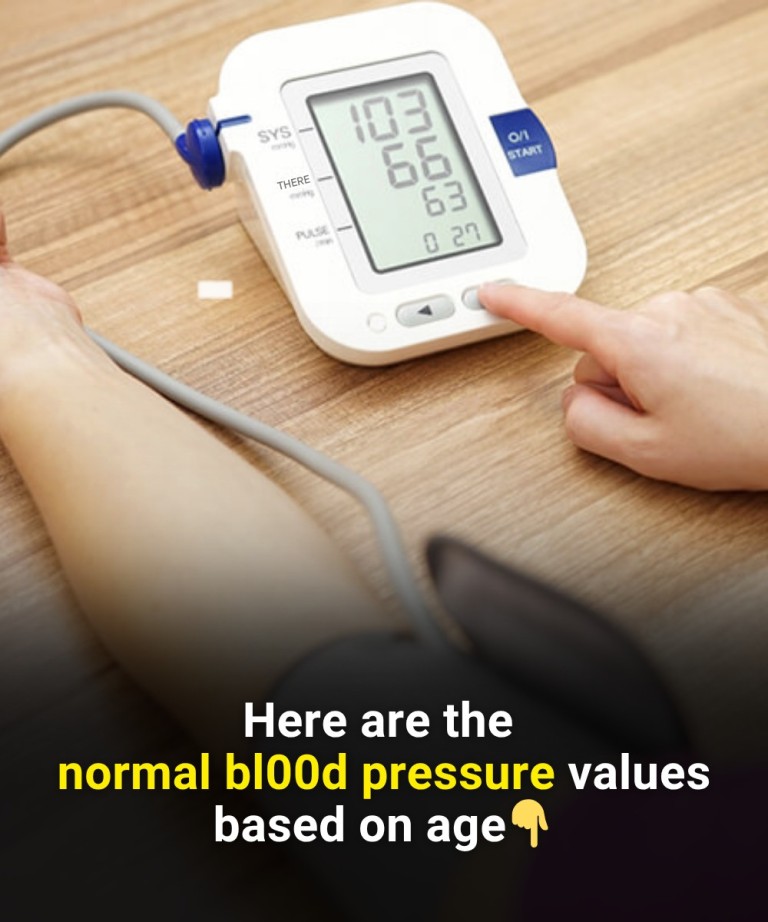
Blood pressure measurement is a test used to measure the force of blood pushing against the walls of your arteries when the heart beats and when it rests. It helps detect heart and circulation problems.
📊 Blood Pressure Numbers
Blood pressure is written as two numbers:
Example: 120/80 mmHg
- Top number (Systolic): Pressure when the heart beats
- Bottom number (Diastolic): Pressure when the heart rests between beats
📈 Normal Blood Pressure Levels
| Category | Reading |
|---|---|
| Normal | Below 120 / 80 |
| Elevated | 120–129 / below 80 |
| High (Stage 1) | 130–139 / 80–89 |
| High (Stage 2) | 140 / 90 or higher |
| Very High (Emergency) | 180 / 120 or higher |
⚙️ How Blood Pressure Is Measured
- A cuff is wrapped around the upper arm.
- The cuff inflates to stop blood flow temporarily.
- As the cuff deflates, a device records the pressure in the arteries.
- The result appears as the systolic/diastolic reading.
Devices used:
- Manual sphygmomanometer with stethoscope
- Digital blood pressure monitor
🧍 Tips for Accurate Measurement
- Sit quietly for 5 minutes before measuring.
- Keep feet flat on the floor.
- Rest your arm at heart level.
- Avoid coffee, smoking, or exercise for 30 minutes before the test.
⚠️ Why It Is Important
Monitoring blood pressure helps detect diseases like:
- Hypertension (high blood pressure)
- Heart disease
- Stroke
Early detection helps prevent serious complications.
✅ If you want, I can also explain:
- How to measure blood pressure at home correctly
- Normal blood pressure by age
- Foods that lower blood pressure naturally 🥗
