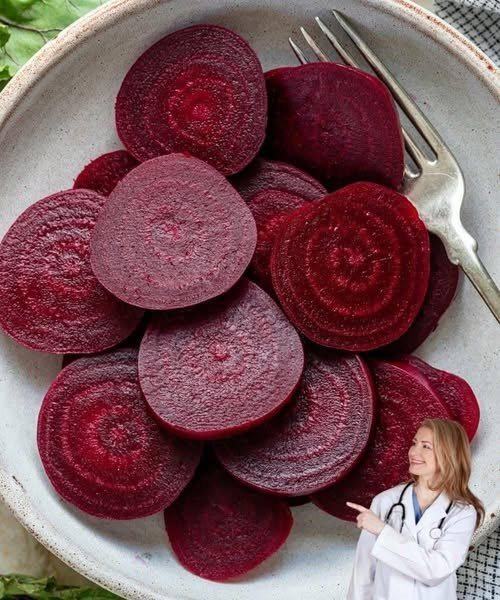
Beets are a root vegetable known for their deep red color, earthy flavor, and rich nutrient profile. They can be eaten raw, roasted, boiled, or pickled, and are versatile in both savory and sweet dishes.
Types of Beets
- Red beets: Classic deep-red variety, commonly roasted or boiled
- Golden beets: Milder flavor, bright yellow color, less staining
- Chioggia (Candy Stripe) beets: Pink and white rings, slightly sweeter
- Baby beets: Small, tender, and often roasted whole
Nutritional Profile (per 1 cup cooked, ~136 g)
- Calories: ~59 kcal
- Carbohydrates: 13 g
- Fiber: 4 g
- Protein: 2 g
- Fat: 0.2 g
- Vitamins & minerals: Folate, manganese, potassium, iron, vitamin C
- Phytonutrients: Betalains (antioxidant compounds giving red color)
Culinary Uses
- Roasted or boiled as a side dish
- Pickled for salads or appetizers
- Grated raw in salads or slaws
- Blended into soups (like borscht) or smoothies
- Used in desserts, cakes, or chocolate brownies for natural sweetness and color
Health Benefits
- Supports heart health due to nitrates that may help lower blood pressure
- Rich in antioxidants that reduce inflammation
- Promotes digestive health with high fiber content
- May improve exercise performance and stamina
Tips
- Cooking: Roast at 400°F (200°C) for 40–60 minutes until tender, or boil until easily pierced
- Peeling: Remove skins after cooking or scrub raw for raw dishes
- Storage: Keep raw beets in the fridge for up to 2–3 weeks; cooked beets last 3–5 days
Beets are nutrient-dense, versatile, and flavorful, making them a great addition to salads, mains, and even desserts.
I can also provide a few simple ways to prepare beets for salads, roasting, or pickling if you want.
Do you want me to do that?
