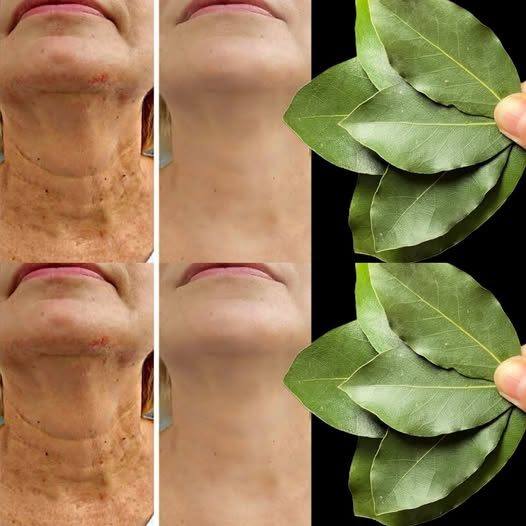
Bay laurel (Laurus nobilis) is a versatile aromatic plant widely known for its culinary, medicinal, and ornamental uses. Here’s a detailed overview:
1. Botanical Info
- Scientific name: Laurus nobilis
- Family: Lauraceae
- Origin: Mediterranean region
- Type: Evergreen shrub or small tree (can grow up to 10–18 ft / 3–5 m)
2. Appearance
- Leaves: Dark green, glossy, lance-shaped, aromatic
- Flowers: Small, yellow-green, appear in clusters
- Fruit: Small black berries, not commonly eaten
3. Culinary Uses
- Bay leaves are widely used to flavor soups, stews, sauces, and marinades.
- Usually added whole during cooking and removed before serving.
- Adds a subtle, aromatic, slightly bitter flavor.
4. Medicinal Uses
Bay leaves have been used traditionally for:
- Digestive support: Helps reduce bloating, gas, and indigestion
- Anti-inflammatory effects: Contains eugenol and other compounds that may reduce inflammation
- Antioxidant properties: Helps neutralize free radicals
- Blood sugar support: Some studies suggest mild effects in lowering blood sugar
5. Other Uses
- Aromatherapy: Essential oil from bay leaves is used for stress relief and respiratory support
- Ornamental: Often grown as a decorative hedge or topiary
- Insect repellent: Dried leaves can deter pests in kitchens and cupboards
6. Growing Tips
- Light: Prefers full sun to partial shade
- Soil: Well-draining, moderately fertile
- Water: Regular watering, but avoid waterlogging
- Hardiness: Sensitive to frost; can be grown indoors in cold climates
7. Safety Notes
- Culinary use of dried leaves is safe, but whole leaves are not edible (can cause choking).
- Bay leaf essential oil is concentrated and should be used with caution—avoid ingestion without guidance.
🌿 Quick Summary
Bay laurel is a Mediterranean evergreen prized for its culinary flavor, aromatic leaves, and traditional medicinal uses. Dried bay leaves are staples in cooking, while the plant itself can be a beautiful ornamental shrub.
If you want, I can make a list of 5 home remedies and culinary hacks using bay leaves, showing how to use them safely for health and cooking.
Do you want me to do that?
