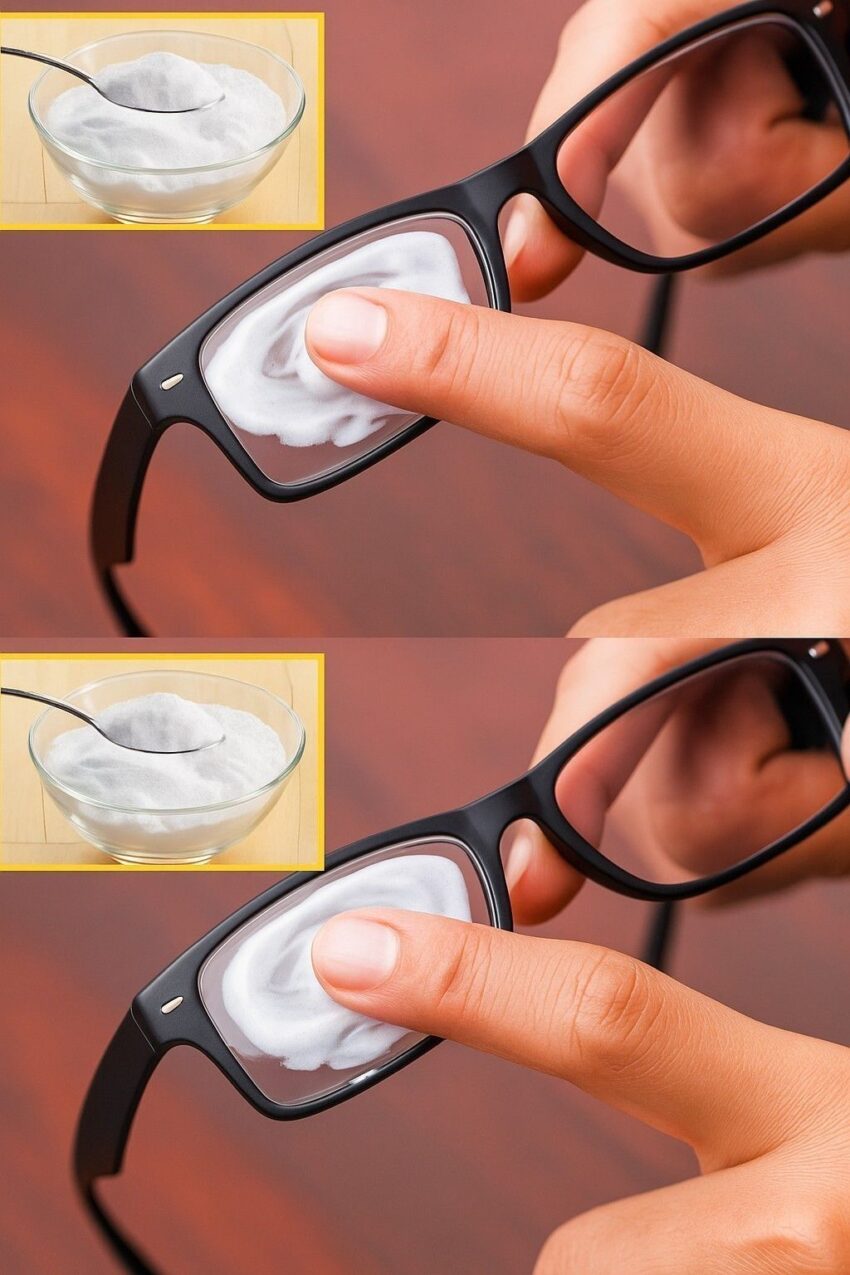
Here’s a clear overview of baking powder, what it is, and how it’s used in cooking and baking:
What Is Baking Powder?
Baking powder is a chemical leavening agent that makes baked goods rise by producing carbon dioxide gas when it reacts with moisture and heat.
- Components:
- Baking soda (sodium bicarbonate) – the base
- Acid – often cream of tartar or another acid
- Starch – usually cornstarch, to keep it dry and prevent premature reactions
- Types:
- Single-acting: Reacts with moisture immediately; must bake right after mixing.
- Double-acting: Reacts in two stages: once when wet and again when heated in the oven (most common in stores).
How Baking Powder Works
- When combined with wet ingredients, the acid and base react, producing carbon dioxide bubbles.
- These bubbles get trapped in the batter or dough, causing it to expand and rise.
- Heat from baking strengthens the structure, giving cakes, muffins, and breads their light texture.
Common Uses
- Cakes and cupcakes
- Muffins and quick breads
- Pancakes and waffles
- Biscuits and scones
Tips & Tricks
- Check freshness: Baking powder loses potency over time. Test by adding 1 tsp to 1/3 cup hot water—it should bubble vigorously.
- Don’t confuse with baking soda: Baking soda needs an acid in the recipe to work; baking powder already contains an acid.
- Proper measuring: Too much can make baked goods bitter; too little may cause them to collapse.
- Storage: Keep in a cool, dry place, tightly sealed.
💡 Pro Tip: For recipes that require extra lift, you can sometimes combine baking powder and baking soda (if the recipe has acidic ingredients like yogurt, buttermilk, or lemon juice) to get the perfect rise.
If you want, I can make a quick reference table comparing baking powder, baking soda, and yeast for easy baking decisions. Do you want me to do that?
