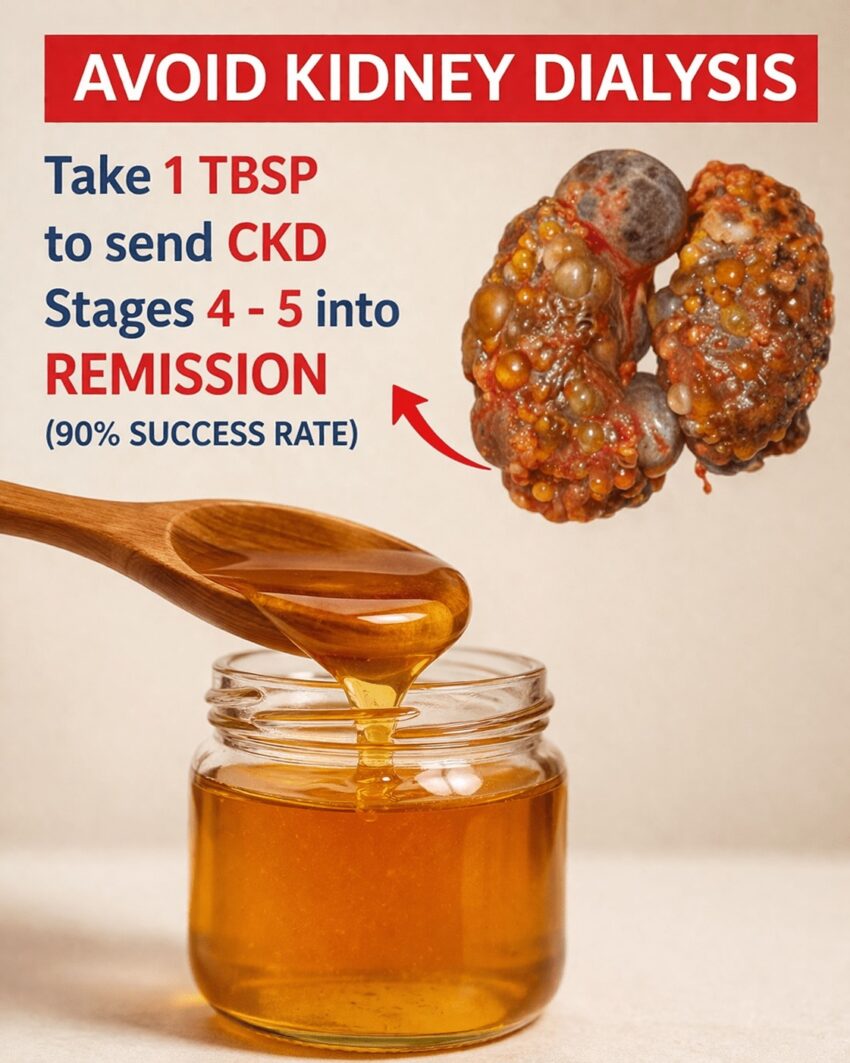
Claims like “avoid kidney dialysis” are extremely common online, but they are often misleading or dangerous. Dialysis is a life-saving treatment for people with severe kidney failure. Let’s break it down carefully.
1. What Dialysis Is
- Function: Dialysis removes waste products, excess salt, and fluids from the blood when kidneys can’t do it.
- Types:
- Hemodialysis: Blood is filtered through a machine.
- Peritoneal dialysis: Uses the lining of your abdomen to filter blood inside the body.
- Purpose: Keeps people alive with advanced kidney disease. Stopping dialysis when needed can be fatal.
2. Can You “Avoid” Dialysis?
- Early-stage kidney disease (CKD stages 1–3) can often be managed with:
- Blood pressure control
- Blood sugar management (for diabetics)
- Low-sodium diet
- Avoiding nephrotoxic drugs (NSAIDs, some antibiotics)
- Regular monitoring with a nephrologist
- Advanced kidney failure (stages 4–5) usually cannot be reversed, and dialysis or a kidney transplant is often essential.
3. Evidence-Based Kidney Support
Lifestyle changes can slow progression but cannot replace dialysis if kidneys fail:
- Healthy diet: Low in salt, processed foods, and high-protein diets only under medical guidance.
- Blood pressure control: Essential to slow CKD progression.
- Blood sugar control: For diabetics, keeping glucose in range protects kidneys.
- Hydration: Maintain proper fluid balance, not excessive water.
- Avoid nephrotoxic substances: Limit NSAIDs, certain supplements, and smoking.
✅ Bottom Line
- Viral posts claiming you can “avoid dialysis naturally” are dangerous if taken literally.
- Early CKD: Lifestyle changes can slow progression.
- Advanced CKD: Dialysis or transplant is life-saving. Never skip dialysis without your doctor’s guidance.
I can make a step-by-step guide to slow kidney disease progression safely, including diet, lifestyle, and medical monitoring, which reduces the need for dialysis as much as medically possible. Do you want me to do that?
