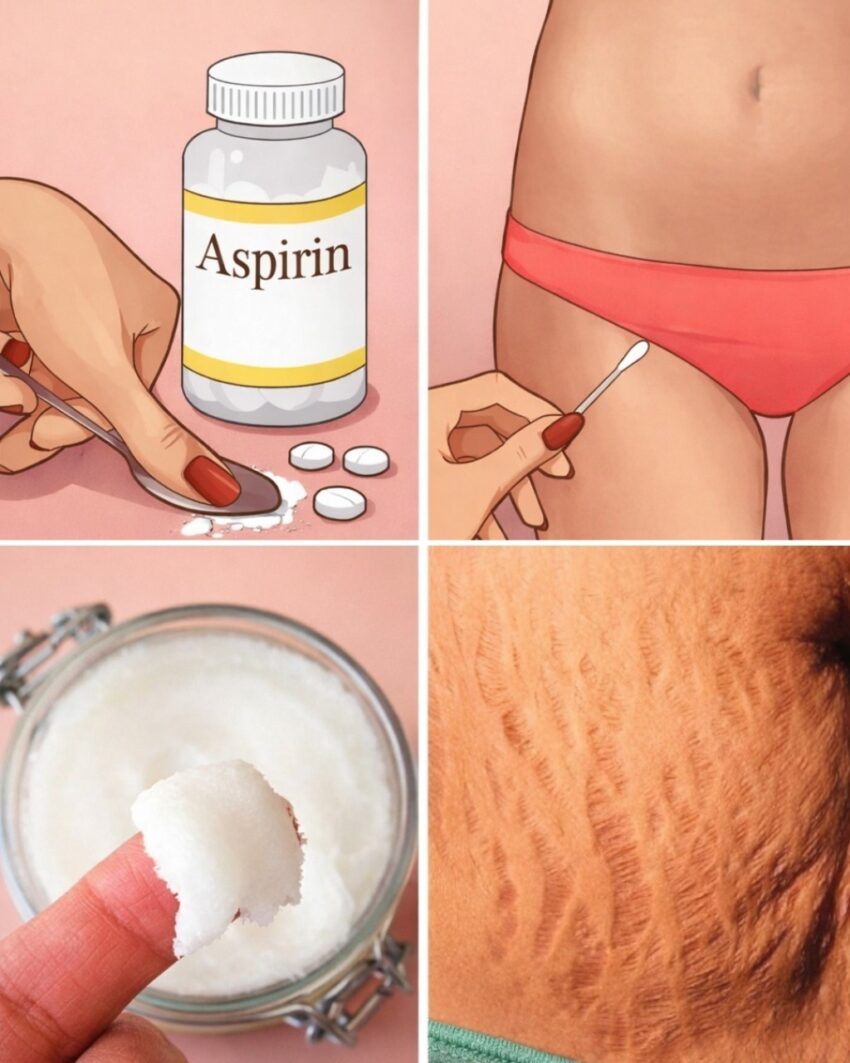
Aspirin is a real, widely used medicine—but it is not a cure for joint pain, circulation problems, or arthritis on its own, and it’s definitely not a “miracle solution” like many online claims suggest.
What aspirin actually does
Aspirin has three main effects:
- Pain relief (mild to moderate)
- Reduces inflammation
- Thins the blood (anti-platelet effect)
That blood-thinning effect is why doctors sometimes prescribe it to help reduce the risk of blood clots, heart attack, or stroke in certain patients.
What aspirin does NOT do
It does not:
- Cure arthritis or “repair joints”
- Restore blocked arteries or reverse Peripheral artery disease
- Eliminate chronic knee or back pain permanently
- Replace exercise, physiotherapy, or proper treatment
It only manages symptoms or risk, depending on the condition.
Important safety notes (especially important)
Aspirin is not harmless:
- Can cause stomach bleeding or ulcers
- Can increase bleeding risk (especially in older adults)
- Not suitable for everyone without medical advice
This is especially important if someone is older or already has other health conditions.
Bottom line
Aspirin is a useful, evidence-based medication, but:
- It treats symptoms and risk, not the root cause of most chronic pain or circulation problems
- It should be used carefully and ideally under medical guidance
If you want, I can explain when aspirin is recommended (and when it’s actually risky), especially for older adults or people with leg pain.
