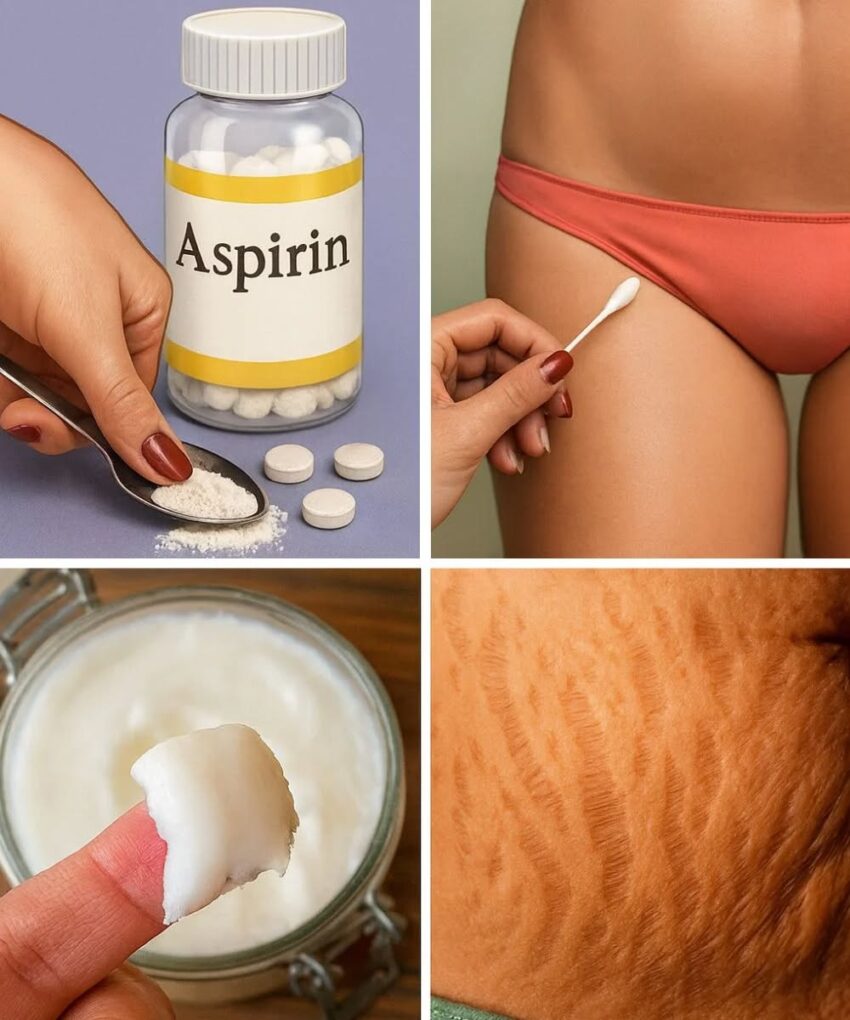
Here’s a detailed overview of Aspirin, including its uses, benefits, and precautions:
1. What is Aspirin?
- Type: Nonsteroidal anti-inflammatory drug (NSAID)
- Chemical Name: Acetylsalicylic acid
- Forms: Tablets, chewable tablets, enteric-coated, and sometimes intravenous in hospitals
2. Common Uses
- Pain relief: Mild to moderate headaches, muscle pain, toothache, or menstrual cramps
- Fever reduction: Lowers body temperature during illness
- Anti-inflammatory: Reduces swelling in conditions like arthritis
- Heart and blood vessel protection: Low-dose aspirin is often prescribed to reduce risk of heart attack or stroke by thinning blood and preventing clots
3. How Aspirin Works
- Inhibits enzymes called COX-1 and COX-2, which are involved in producing prostaglandins
- Prostaglandins are chemicals that trigger pain, fever, and inflammation
- By reducing prostaglandins, aspirin reduces pain, swelling, and clot formation
4. Common Dosages
- Pain/fever: 325–650 mg every 4–6 hours (not exceeding 4 g/day)
- Low-dose for heart protection: 75–100 mg daily
5. Side Effects
- Common: Stomach upset, heartburn, nausea
- Serious:
- Gastrointestinal bleeding or ulcers
- Allergic reactions (rash, swelling, difficulty breathing)
- Increased bleeding risk (nosebleeds, bruising, prolonged bleeding)
6. Precautions
- Avoid if you have:
- Active stomach ulcers or bleeding disorders
- Severe liver or kidney disease
- Aspirin allergy
- Children/teenagers: Avoid aspirin if recovering from viral infections (risk of Reye’s syndrome)
7. Interactions
- Blood thinners (warfarin, heparin) → increases bleeding risk
- Other NSAIDs → may increase stomach irritation
- Some blood pressure medications → may reduce effectiveness
💡 Tip: Aspirin is effective for both short-term pain relief and long-term cardiovascular protection, but dosage and safety must be tailored to your health profile.
I can also make a quick guide on when to take aspirin, safe dosages, and alternatives depending on whether it’s for pain, fever, or heart protection.
Do you want me to do that?
