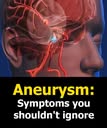
An aneurysm is a serious medical condition where a blood vessel wall weakens and bulges. It can occur in the brain, aorta, or other arteries. Many aneurysms cause no symptoms until they become large or rupture, which is why warning signs matter.
Aneurysm
⚠️ Signs you should NOT ignore
🧠 1. Brain aneurysm warning signs (before rupture)
Cerebral aneurysm
- Sudden, severe headache (“worst headache of life”)
- Blurred or double vision
- Pain above or behind the eye
- Drooping eyelid
- Numbness or weakness in face
🚨 2. Signs of a ruptured brain aneurysm (emergency)
- Sudden explosive headache
- Loss of consciousness
- Seizures
- Stiff neck
- Nausea and vomiting
👉 This is a medical emergency—call emergency services immediately
❤️ 3. Aortic aneurysm warning signs
Aortic aneurysm
- Deep, constant chest or back pain
- Pulsing feeling in abdomen
- Shortness of breath
- Sudden drop in blood pressure (in rupture)
🩸 4. General warning signs (any location)
- Sudden severe pain in chest, back, or head
- Rapid worsening symptoms
- Fainting or dizziness
- Neurological changes (confusion, weakness)
🧠 Important facts
- Many aneurysms are silent and found by scans
- Risk increases with:
- High blood pressure
- Smoking
- Family history
- Age
❌ What clickbait gets wrong
- Not every headache is an aneurysm
- Most people do NOT feel symptoms until rupture
- There is no single “hidden sign list” that guarantees detection
🟢 Bottom line
An Aneurysm can be silent but dangerous. The key warning is sudden, severe, unusual pain or neurological symptoms, especially a sudden “worst headache of life.”
If you want, I can explain how aneurysms are detected early and who should get screening (it’s actually very specific, not for everyone).
