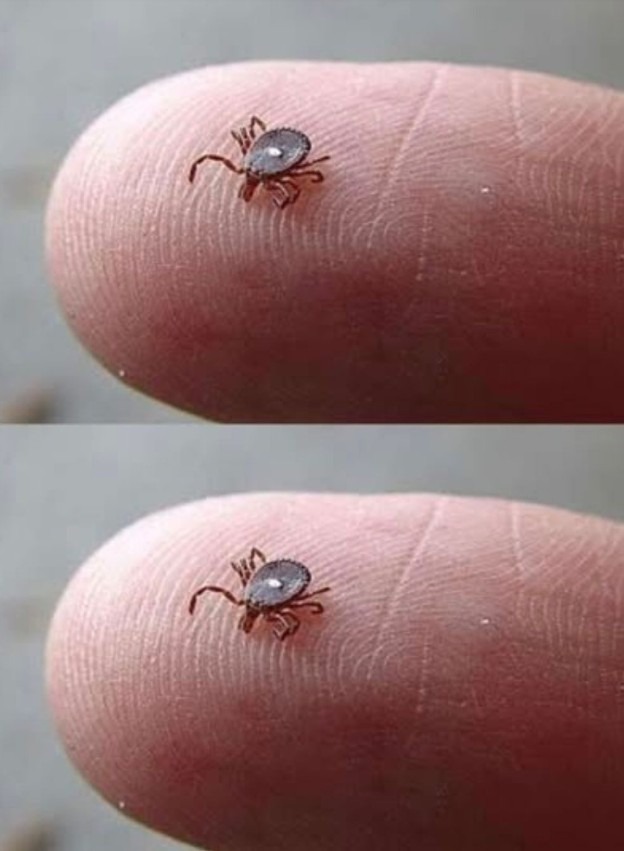
Amblyomma cajennense is a species of hard tick known for its medical and veterinary significance. Here’s a detailed overview:
General Description
- Common Name: Cayenne tick
- Family: Ixodidae (hard ticks)
- Distribution: Found primarily in Central and South America, including Brazil, Colombia, Venezuela, and parts of Mexico.
- Habitat: Prefers tropical and subtropical regions, often in grasslands, pastures, and forest edges.
Life Cycle
Amblyomma cajennense is a three-host tick, meaning it feeds on a different host at each life stage: larva, nymph, and adult.
- Eggs: Laid in soil or leaf litter.
- Larvae: Feed on small mammals, birds, or reptiles.
- Nymphs & Adults: Prefer larger mammals like cattle, horses, and humans occasionally.
Medical and Veterinary Importance
- Vectors of Disease:
- Rickettsia rickettsii, which causes Rocky Mountain spotted fever (RMSF) in humans.
- Can transmit other bacterial or protozoal infections to livestock.
- Bite Symptoms:
- Painful local irritation, swelling, redness.
- Risk of secondary infection if not properly removed.
- Economic Impact:
- Infestations in cattle can lead to reduced weight gain, anemia, and decreased milk production.
Prevention and Control
- Personal Protection:
- Wear long sleeves, pants, and boots in tick-infested areas.
- Use tick repellents containing DEET or permethrin.
- Livestock Management:
- Regular inspection and manual removal of ticks.
- Use of acaricides (tick-killing agents) on animals.
- Pasture rotation and vegetation management to reduce tick habitats.
- Proper Tick Removal:
- Use fine-tipped tweezers to grasp the tick close to the skin.
- Pull steadily without twisting; disinfect the bite afterward.
💡 Important Note: Because Amblyomma cajennense can transmit Rickettsia rickettsii, bites should be monitored carefully for fever, rash, or flu-like symptoms. Seek medical attention if these develop.
If you want, I can make a visual life cycle and disease transmission diagram for Amblyomma cajennense that’s easy to understand. Do you want me to do that?
