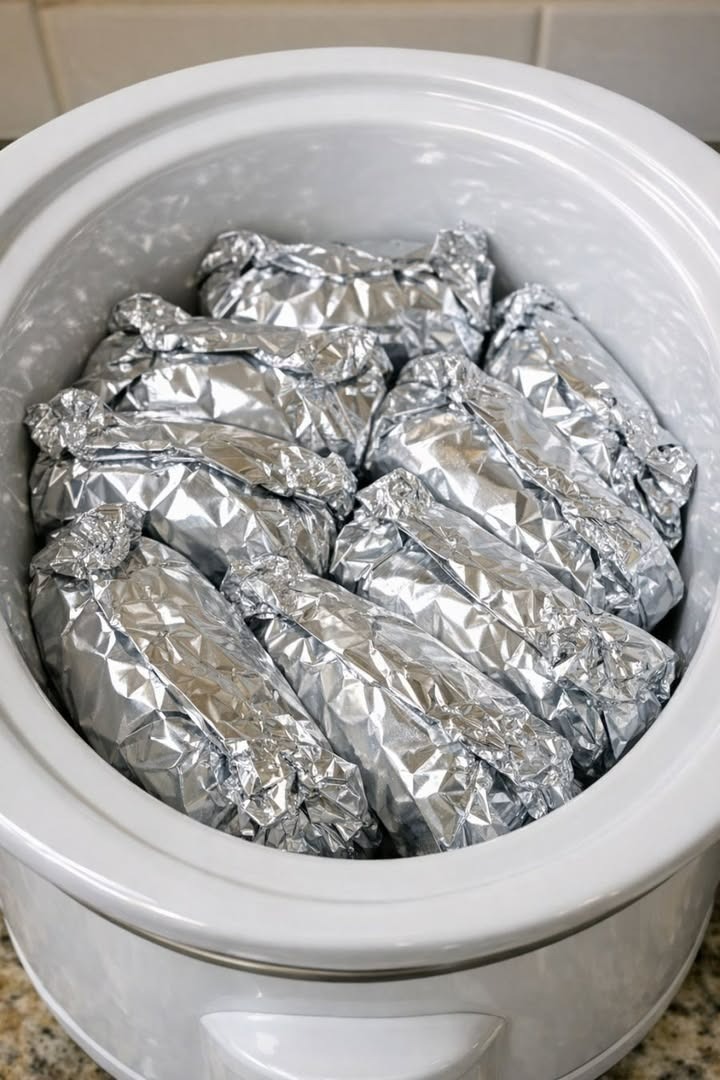
🧻 Aluminium Foil – Uses, Safety & Tips
Aluminium foil is a thin sheet of aluminum metal commonly used in cooking, baking, and food storage.
🍳 Common Kitchen Uses
1. Cooking & Baking
- Lining baking trays for easy cleanup
- Wrapping foods for roasting (fish, vegetables, potatoes)
- Covering dishes to prevent over-browning
- Creating foil packets for grilling
2. Food Storage
- Wrapping leftovers
- Covering bowls or plates
3. Grilling
- Prevents small foods from falling through grates
- Protects delicate foods like fish
🔥 Foil Sides: Shiny vs. Dull
There’s no major cooking difference between the shiny and dull sides for standard household foil. The difference comes from the manufacturing process.
Exception: Non-stick foil should have the non-stick (usually dull) side facing the food.
⚠️ Safety Tips
- Safe for normal cooking temperatures.
- Avoid using foil in the microwave.
- Try not to cook highly acidic foods (like tomato sauce or lemon-heavy dishes) in foil for long periods — small amounts of aluminum can leach into food.
- Do not use foil to cover the bottom of an oven (can damage heating elements and airflow).
🧼 Bonus Household Uses
- Sharpen scissors by cutting through folded foil
- Line paint trays
- Scrub grills (crumpled ball of foil)
If you’d like, I can explain when to use parchment paper instead of foil — they’re often confused but serve different purposes.
