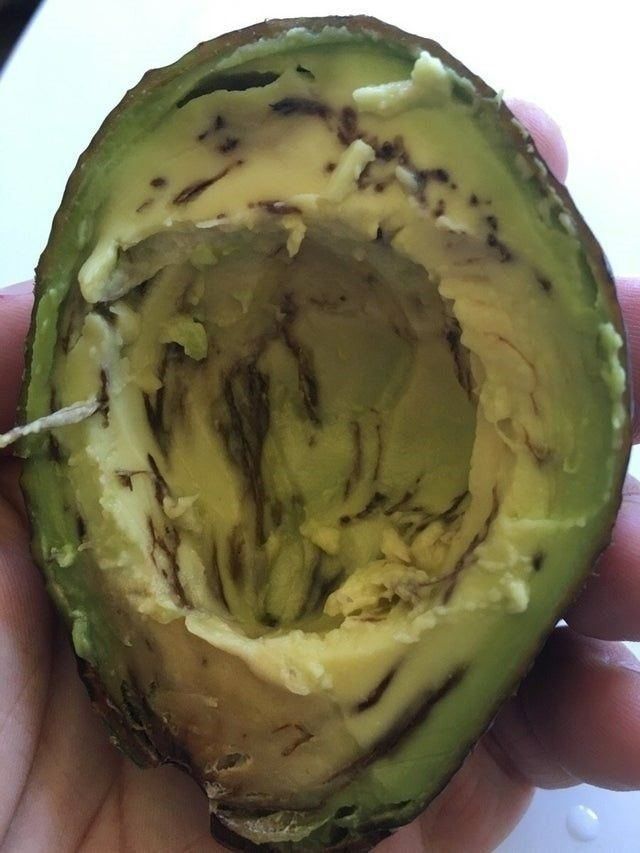
Hass avocado is the most widely cultivated and recognized variety of avocado worldwide, prized for its creamy texture and rich flavor. Here’s a detailed overview:
Scientific & General Info
- Scientific Name: Persea americana
- Variety: Hass
- Origin: Developed by Rudolph Hass in California, 1926
- Appearance:
- Skin: Dark green to nearly black when ripe, pebbly texture
- Flesh: Pale green, smooth, and creamy
- Seed: Large central pit
Nutritional Benefits (per 100g)
- Calories: ~160 kcal
- Healthy fats: Mostly monounsaturated fats (heart-healthy)
- Vitamins: High in vitamin K, vitamin E, vitamin C, and B vitamins (especially folate)
- Minerals: Potassium, magnesium
- Fiber: 6–7 g, good for digestion
Uses
- Fresh eating: Sliced in salads or on toast
- Guacamole: The classic use of ripe Hass avocados
- Smoothies & spreads: Adds creaminess and healthy fats
- Baking & cooking: Can substitute butter or oil in some recipes
Ripening & Storage Tips
- Ripening: Store at room temperature until soft; then refrigerate to slow further ripening.
- Check ripeness: Gently squeeze; ripe Hass avocados yield slightly under pressure.
- Preservation: Cut avocado can be stored with lemon/lime juice to prevent browning.
Fun fact: Hass avocados account for 80–90% of the global avocado market, thanks to their long shelf life, high yield, and creamy flavor.
I can also give a quick guide on how to tell when a Hass avocado is perfectly ripe and ready to eat, which is very handy. Do you want me to do that?
