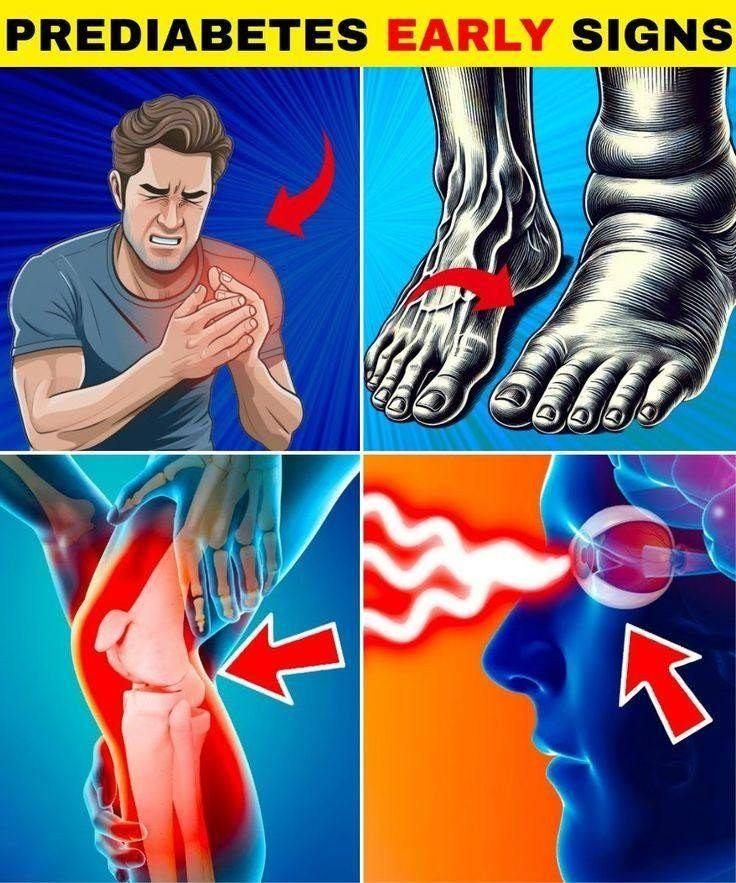
Here are 7 dangerous nighttime signs related to diabetes that you should not ignore—especially if you or someone you care for has type 1 or type 2 diabetes. These symptoms can indicate blood sugar dangerously high or low while sleeping and require immediate attention or medical advice.
🩺 7 Dangerous Diabetes Nighttime Signs
1. Profuse Night Sweating
Sudden, heavy sweating during sleep—especially if soaking sheets—can be a sign of nocturnal hypoglycemia (low blood sugar).
👉 Often caused by insulin or diabetes meds peaking overnight.
2. Nighttime Shaking or Trembling
Shakiness, tremors, or feeling jittery during sleep may indicate your blood sugar is dropping too low.
👉 Low blood sugar can trigger adrenaline release.
3. Nightmares or Restless Sleep
Vivid bad dreams, tossing/turning, or waking repeatedly can be tied to blood sugar swings, particularly hypoglycemia.
👉 The brain reacts to low glucose with stress responses.
4. Waking Up with a Headache
A morning headache can signal overnight high glucose (hyperglycemia) or low glucose rebound.
👉 Check glucose first thing if this becomes recurrent.
5. Extreme Thirst at Night
If you wake frequently to drink water or with a dry mouth, it may mean your blood sugar is too high.
👉 High glucose pulls fluid from tissues → dehydration.
6. Frequent Nighttime Urination
Getting up repeatedly to urinate (nocturia) can be linked to high blood glucose.
👉 The kidneys try to flush out excess sugar.
7. Confusion or Disorientation on Waking
Feeling unusually confused, groggy, or disoriented when you wake can happen with severe low blood sugar (or sometimes very high).
👉 Particularly dangerous because you might not realize glucose is off.
⚠️ Why These Signs Matter
- Hypoglycemia (low blood sugar) can become a medical emergency—especially at night when you might not wake up.
- Hyperglycemia (high blood sugar) overnight can lead to dehydration, headaches, and dangerous metabolic changes.
🧠 What To Do If You Notice These
✅ Keep a glucometer or continuous glucose monitor (CGM) near your bed.
✅ Test your blood sugar when symptoms appear.
✅ Have a quick sugar source available (juice, glucose tabs) if hypoglycemia is suspected.
✅ Talk to your doctor about adjusting medications or bedtime snacks.
✅ Consider a nighttime snack with protein + complex carbs to prevent lows.
💤 Tips for Safer Nights
- Review medications with your healthcare provider.
- Eat a balanced, consistent dinner and bedtime snack if recommended.
- Monitor patterns (log symptoms and glucose numbers).
- Use a CGM alarm for severe lows if you’re at high risk.
If you want, I can explain specific causes of nighttime hypoglycemia vs hyperglycemia or share a nighttime diabetes action plan you can follow safely. Would you like that?
