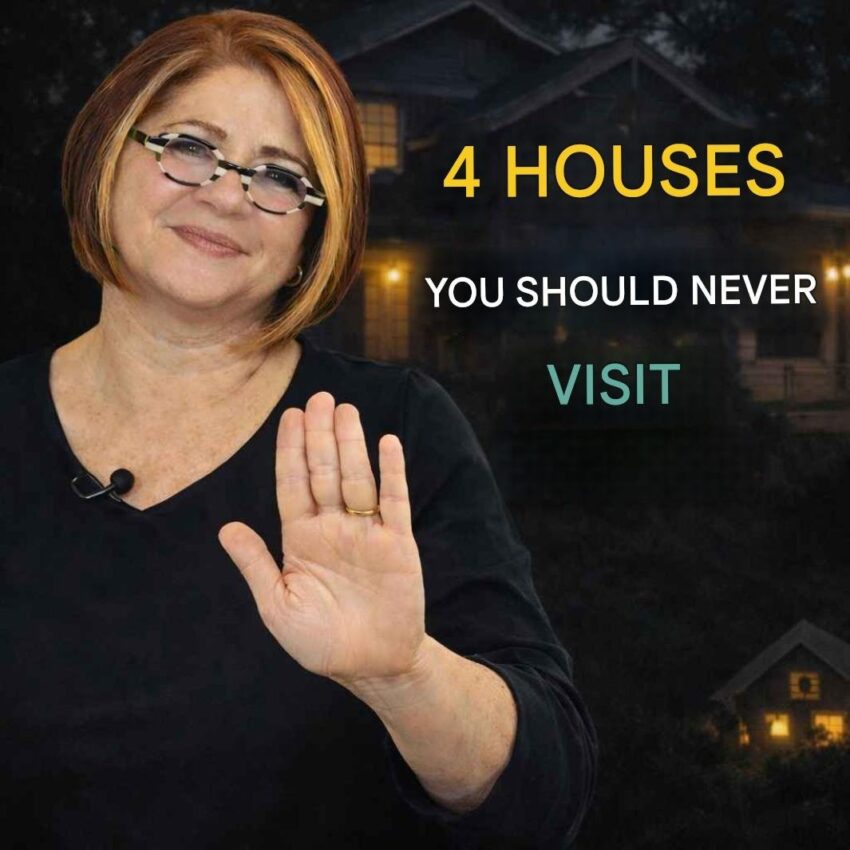
That headline is designed to grab attention, but in reality there are no “types of houses you must stop visiting when you get older.” Aging doesn’t make specific homes unsafe by default.
What does matter for seniors is safety conditions inside certain environments, not who owns the house. So here’s a more accurate, responsible version of that idea:
4 Types of Environments Seniors Should Be Careful Visiting (For Safety and Well-Being)
As people age, the body becomes more sensitive to risks like falls, infections, poor air quality, and physical strain. Instead of avoiding “houses,” seniors should be mindful of situations that may increase health or safety risks.
1. Homes with Poor Lighting and Cluttered Walkways
Low lighting, loose rugs, and cluttered floors increase the risk of falls.
Why it matters:
- Seniors are more prone to fractures
- Vision and balance naturally decline with age
- Falls are one of the most common causes of injury in older adults
👉 A safe home should always have clear pathways and good lighting.
2. Very Crowded Homes or Gatherings (High Fall or Fatigue Risk)
Overcrowded environments can be physically exhausting.
Concerns include:
- Difficulty moving around safely
- Higher chance of accidental bumps or falls
- Fatigue from noise and stimulation
This is especially important for seniors with mobility or heart issues.
3. Homes with Secondhand Smoke or Poor Air Quality (Very Common Issue)
This is often what viral posts refer to as the “most common” risk.
Why it matters:
Exposure to smoke or polluted air can worsen:
- Breathing conditions
- Heart strain
- Chronic Obstructive Pulmonary Disease
Even short visits in smoky or poorly ventilated environments can cause discomfort or health flare-ups in sensitive individuals.
4. Homes Without Proper Bathroom Safety or Accessibility
Bathrooms are one of the highest-risk areas for seniors.
Risk factors:
- No grab bars
- Slippery floors
- Low toilet seats
- Lack of support in shower areas
These conditions increase the risk of slips and falls significantly.
Important Reality Check
It’s not about avoiding specific people’s homes. It’s about:
- Safety conditions
- Mobility needs
- Air quality
- Physical comfort
Most homes can be made safe with small adjustments.
Health-Focused Tip for Seniors
Instead of avoiding visits, seniors should:
- Ask for good lighting when visiting
- Take breaks during long gatherings
- Avoid smoky environments
- Ensure safe footwear for walking
Source Note
This explanation is based on general geriatric health guidance and safety recommendations related to fall prevention, indoor air quality, and senior mobility care commonly referenced in public health and aging care resources.
If you want, I can also turn this into:
- a viral “Facebook warning post” style article,
- a YouTube script (“Doctor explains 4 risky environments”),
- or a SEO blog post with trending keywords.
